Cost of Moving House in Sussex: A 2026 Breakdown of Every Fee
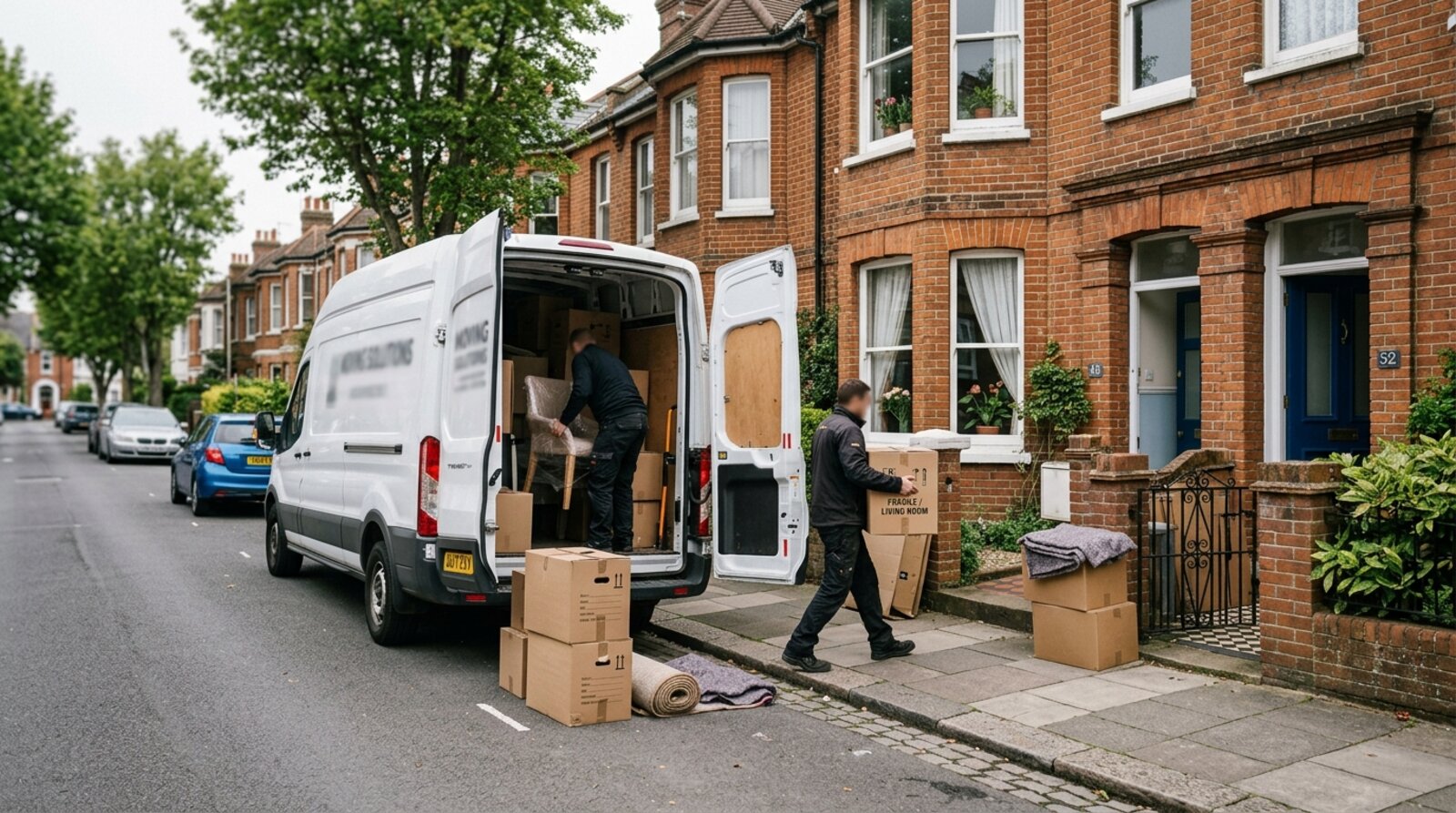
Moving house in Sussex in 2026 costs far more than the price on the estate agent's board. Between removals, conveyancing, searches, a survey, stamp duty and the small disbursements that pile up at completion, a typical Sussex move runs to several thousand pounds on top of your deposit. This guide itemises every fee, works through stamp duty at real Sussex prices, and gives you a sample budget so nothing on completion day comes as a surprise.
What does it actually cost to move in Sussex?
House prices across the county sit well above the England average, which pushes up the two biggest variable costs: stamp duty and the percentage-based fees some firms charge. In early 2026, the average property in West Sussex was around £436,000 and East Sussex around £409,000, according to Land Registry figures compiled by the ONS. Town by town the picture varies sharply: Brighton and Hove averaged roughly £404,000, Chichester £427,000, Worthing £306,000 and Eastbourne £250,000.
Your total moving cost is built from fixed fees that barely move with price (removals, EPC, searches) and price-linked fees that climb fast (stamp duty above £250,000, and registration). Knowing which is which helps you see where the money goes and where you can trim it. The sections below break down each component, then pull them into one worked budget for a typical Sussex purchase.
Removals costs for typical Sussex routes
Removals are usually the first cost people think of and one of the easier ones to control. Across the UK the average house removal comes in around £1,080, with a three-bedroom move typically £1,229 to £1,479 once packing, dismantling and reassembly are included. Most Sussex moves are local, which keeps the bill toward the lower end of those ranges.
Distance is the main lever. A short local hop, say Worthing to Lancing or within Brighton, sits near the average. A cross-county move such as Chichester to Eastbourne adds driving hours and fuel: expect roughly £75 to £150 more for a regional move of 10 to 50 miles, and £150 to £300 more for longer 50 to 150 mile journeys. Booking midweek rather than a Friday or month-end, decluttering before you pack, and doing your own boxes rather than paying for a full packing service all bring the figure down.

Conveyancing and solicitor fees
Conveyancing is the legal work that transfers ownership, and you pay for it whether you are buying, selling, or both. In 2026 buyers typically pay £850 to £1,900 in legal fees, while sellers pay around £600 to £1,300. Leasehold flats, which are common along the Brighton and Hove and Worthing seafronts, sit at the higher end because of the extra work involved in checking leases, service charges and ground rent.
If you are selling one home and buying another in the same chain, budget for both sets of fees. Get fixed-fee quotes rather than hourly rates, and check what is included. A cheap headline price often excludes the disbursements covered next, so always compare the total figure on the completion statement, not just the solicitor's own charge.
Searches and disbursements
Disbursements are third-party costs your solicitor pays on your behalf and adds to your bill. The main ones for a Sussex purchase are:
- Local authority search (planning history, enforcement, road schemes): roughly £100 to £250 depending on the council.
- Drainage, water and environmental searches: together with the local search these usually total £200 to £400.
- HM Land Registry registration fee: scaled to the purchase price, commonly £150 to £330 for a typical Sussex home, rising with value.
- Bankruptcy and identity checks: a few pounds per buyer, usually bundled into the quote.
- Electronic transfer fee for sending funds on completion: around £20 to £40.
Across a normal purchase, disbursements often add £600 to £800 once everything is totted up, so they deserve a line of their own in any budget.
Mortgage valuation and survey fees
Your lender will carry out a mortgage valuation to confirm the property is worth what you are borrowing against. Some lenders include this free; others charge from around £150 to £400 depending on the loan and property value. A valuation protects the lender, not you, so most buyers commission their own survey on top.
The main choice is between a RICS Home Survey Level 2 and a Level 3. A Level 2, the former HomeBuyer Report, suits conventional houses and flats in reasonable condition and costs roughly £400 to £1,000, with a UK average near £500. A Level 3 Building Survey is the detailed option for older, larger or altered properties, including the period cottages and converted seafront houses found across Sussex, and runs from about £630 to £1,500 or more on higher-value homes. South East prices tend to sit 10 to 20 per cent above the national average, so budget toward the upper end locally. The cost gap between the two levels is small set against a defect missed on an older property.
Stamp duty in Sussex: worked examples
Stamp Duty Land Tax is the cost that varies most with price, and Sussex prices put many buyers well into the taxable bands. For someone buying their only home in England in 2026, the rates are 0 per cent up to £125,000, 2 per cent on the slice from £125,001 to £250,000, 5 per cent from £250,001 to £925,000, 10 per cent to £1.5 million and 12 per cent above. The tax is banded, so each rate applies only to the portion of the price within that band. Here is how that lands at real Sussex prices:
- £290,000 home (around the Worthing average): 2 per cent on £125,000 plus 5 per cent on £40,000 gives £4,500.
- £404,000 home (around the Brighton and Hove average): 2 per cent on £125,000 plus 5 per cent on £154,000 gives £10,200.
- £436,000 home (around the West Sussex average): 2 per cent on £125,000 plus 5 per cent on £186,000 gives £11,800.
First-time buyers pay nothing up to £300,000 and 5 per cent on the portion from £300,001 to £500,000, with no relief above £500,000. So a first-time buyer at £290,000 pays nothing, while at £404,000 they pay 5 per cent on £104,000, which is £5,200. If you are buying an additional property, a 5 per cent surcharge applies on top of every band, which roughly doubles the bill, so check your position before you commit. You can confirm your exact figure with the government's Stamp Duty Land Tax guidance.
EPC and the smaller extras
If you are selling, you must provide a valid Energy Performance Certificate, which costs around £60 to £120. Beyond that, several smaller costs are easy to forget but real: a mortgage arrangement or booking fee if your lender charges one, estate agent commission on a sale (usually a percentage of the sale price, agreed up front), removals insurance or extra cover for high-value items, and the cost of redirecting your post through Royal Mail. Set-up at the new address, from broadband reconnection to new locks, adds a final few hundred pounds that rarely appears in any quote.
A sample budget for a typical Sussex move
Pulling the pieces together for a buyer purchasing a £404,000 home in Sussex and selling a smaller property in the same chain, a realistic 2026 budget looks like this:
- Removals (local, three-bedroom): £1,300
- Buyer conveyancing: £1,400
- Seller conveyancing: £900
- Searches and disbursements: £700
- RICS Level 2 survey: £600
- Mortgage valuation: £250
- Stamp duty at £404,000: £10,200
- EPC for the sale: £90
- Post redirection and set-up: £250
That totals around £15,690, with stamp duty alone making up roughly two thirds of it. A first-time buyer at the same price with nothing to sell would pay closer to £8,500, since the seller-side fees and most of the stamp duty drop away. Your figure depends heavily on price, whether you are in a chain, and the survey you choose, so treat this as a framework rather than a fixed number.
Money-saving tips for a Sussex move
The biggest savings come from the variable costs. Compare at least three fixed-fee conveyancing quotes and three removals quotes, and read what each includes. Move midweek and avoid the end of the month when removers are busiest. Declutter ruthlessly before you pack, since you pay to move volume. Where the property and your confidence allow, a Level 2 survey instead of a Level 3 saves several hundred pounds. First-time buyers should make sure their solicitor claims the right stamp duty relief, as an error here is expensive. Finally, line up your survey and searches early so a problem surfaces before you have spent money further down the chain.
Moving-day timeline tied to exchange and completion
Costs land in a predictable order, and tying them to the legal milestones helps you manage cash flow. Before exchange you will already have paid for searches, your survey and the valuation. At exchange of contracts, you commit legally and pay your deposit, usually 10 per cent of the purchase price; this is also the point to confirm your removals booking and buildings insurance, which must be in place from exchange. Between exchange and completion, typically one to two weeks, you finish packing, redirect your post and read final meter readings.
On completion day, your solicitor transfers the balance of funds, the seller's solicitor confirms receipt, and the keys are released, often around midday. Your removers usually load in the morning at the old address and unload in the afternoon once completion is confirmed, which is why an early-slot booking and a flexible plan for the gap matter. Stamp duty is then paid by your solicitor within the statutory deadline after completion, and the Land Registry fee follows as they register you as the new owner.
Frequently asked questions
How much does it cost to move house in Sussex in 2026?
For a typical Sussex buyer purchasing around the county average of £400,000 and selling in a chain, total moving costs commonly land between £14,000 and £16,000 in 2026. Stamp duty is the largest single item, often around two thirds of the total. A first-time buyer with nothing to sell at the same price pays far less, closer to £8,000 to £9,000, because seller fees and most of the stamp duty fall away.
How much is stamp duty on a £400,000 home in Sussex?
For someone buying their only home, stamp duty on a £400,000 property is £10,000: 2 per cent on the slice from £125,001 to £250,000 (£2,500) plus 5 per cent on the slice from £250,001 to £400,000 (£7,500). First-time buyers pay less because they have a 0 per cent band up to £300,000. Buyers of additional properties pay a 5 per cent surcharge on every band on top.
How much do removals cost for a typical Sussex move?
A local three-bedroom move within Sussex typically costs £1,200 to £1,500 including packing, dismantling and reassembly. A cross-county move, for example Chichester to Eastbourne, adds roughly £75 to £300 for the extra distance. Booking midweek, decluttering first and packing your own boxes are the simplest ways to reduce the bill.
Do I need a survey on a Sussex property, and which level?
A survey is strongly advised, separate from the lender's mortgage valuation, which only protects the lender. A RICS Level 2 survey (£400 to £1,000) suits conventional houses and flats in good condition. A Level 3 Building Survey (£630 to £1,500 or more) is better for older, larger or altered homes, which are common across Sussex, where hidden defects are more likely.
What are conveyancing disbursements, and how much are they?
Disbursements are third-party costs your solicitor pays on your behalf, such as local authority, drainage and environmental searches, the Land Registry registration fee, bankruptcy and identity checks, and the electronic transfer fee. On a typical Sussex purchase they usually add £600 to £800, on top of the solicitor's own legal fee. Always compare the total on the completion statement, not just the headline charge.
When do I pay each cost during the move?
Searches, your survey and the valuation are paid before exchange. At exchange you pay your deposit, usually 10 per cent, and arrange buildings insurance from that date. On completion your solicitor transfers the balance and you get the keys. Stamp duty and the Land Registry fee are then paid by your solicitor shortly after completion, within the statutory deadlines.
Planning your Sussex move
The figures here give you a working budget, but quotes vary, so gather your own. Start with fixed-fee conveyancing and removals quotes, confirm your stamp duty band against the actual purchase price, and decide early which survey level the property warrants. Getting those three lined up before you offer means you know your full out-of-pocket cost, not just the deposit, from the outset.
If you are still choosing an area or a firm, our estate agents directory lists local agents across East and West Sussex who can advise on prices and the practical side of a sale. And if you are weighing up a move into the county, our guide to moving to and living in Sussex covers the towns, lifestyle and local context behind the numbers, so the cost of moving sits alongside a clear picture of where you are heading.