How to Choose a Removals Company in Sussex (and Exactly When to Book)
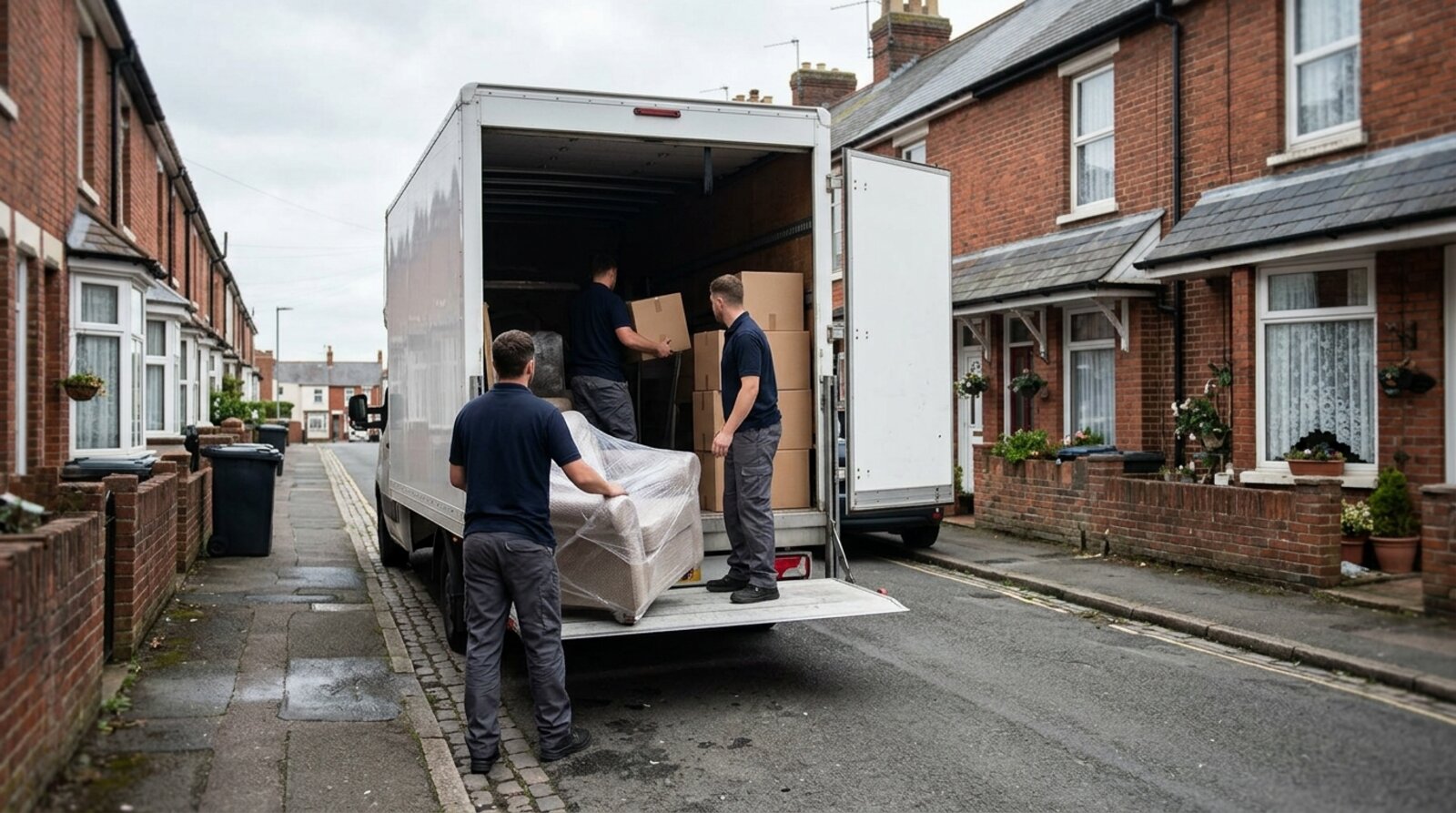
Once your move date firms up, choosing the right removals company is the decision that most affects how the day actually goes. Get it right and a crew arrives on time, your things turn up undamaged, and the price matches the quote. Get it wrong and you are chasing a no-show, arguing over an estimate that crept up, or finding out the hard way that nothing was insured. This guide covers exactly how far ahead to book, the credentials that separate a reputable Sussex firm from a chancer, how to read a quote line by line, the questions to ask before you commit, and the red flags worth walking away from.
When to book a removals company in Sussex
Book four to six weeks before your move date as a working minimum. That window gives you time to get three quotes, arrange in-home or video surveys, and still secure the slot you want. Book any closer and you are choosing from whoever happens to be free, which usually means a higher price and less choice over timing.
Two patterns push that window earlier in Sussex. The first is the day of the week. Fridays are the most popular moving day across the UK because people want the weekend to unpack, so Friday slots fill first and often cost more. The last Friday of the month is the single busiest slot of all, because it lines up with rental tenancies and chain completions. The second is the season. Summer is peak moving time, and for a move in July or August it is sensible to book six to eight weeks ahead, sometimes more. Coastal towns like Brighton and Hove, Worthing, Eastbourne and Bognor see a surge of summer demand, so popular dates there go early.
If your move depends on a chain, you will not have a confirmed completion date until exchange of contracts, which can be only a week or two before the move. The practical answer is to talk to firms early, get your written quotes in place, and provisionally hold a date where the company allows it, then confirm the moment you exchange. Booking removals is one of the things you arrange around exchange, alongside buildings insurance, which must be in place from that point.
The credentials that separate reputable firms from cowboys
Anyone can buy a van and call themselves a removals company. The checks below are what tell you a firm is accountable if something goes wrong.
British Association of Removers membership
The British Association of Removers, or BAR, is the trade association for removal companies in the UK. Its members sign up to a Code of Practice that is approved by the Chartered Trading Standards Institute, are audited each year, and have to meet set standards on training, vehicles and insurance. That matters to you in two concrete ways. BAR offers a free, independent Ombudsman service if a dispute with a member cannot be settled directly, so you are not left with only the small claims court. It also runs an Advanced Payment Guarantee that protects money you pay up front: if a participating member goes out of business before your move, the scheme arranges for another member to carry out the job or refunds what you paid. You can confirm a company's membership directly on the British Association of Removers website rather than taking a logo on a van at face value.
BAR membership is not the only sign of a good firm, and plenty of honest local movers are not members. But if a company claims membership, check it, and if it is not a member, lean harder on the insurance and reference checks below.
Goods-in-transit and public liability insurance
These are two different policies and a reputable firm carries both. Goods-in-transit insurance covers your belongings while they are being loaded, carried and unloaded, against damage, loss or theft in transit. Public liability insurance covers injury to people and damage to property, for example if a crew member scuffs a wall or drops something on a parked car. Ask for the cover level on goods in transit, because a low per-item or total limit can leave you short if a wardrobe or a TV is damaged. One important catch: goods-in-transit cover usually only applies to items the removals firm packed itself. If you pack your own boxes to save money, those boxes may not be covered for breakages inside, so weigh that trade-off.
Written quotes, not estimates
A quote and an estimate are not the same thing, and the difference is legal. A quote is a fixed price that, once you accept it, both sides are bound to, and it is normally valid for a set period such as 30 days. An estimate is a provisional figure that can change. Reputable Sussex firms give you a written quote after a survey, either an in-home visit or a video walkthrough done on your phone, where they see exactly what is moving. A price given over the phone without anyone seeing your home is an estimate at best, and it is the kind of figure that grows on the day once the crew sees the loft, the shed and the garage. Insist on a survey and a written quote before you commit.

How to read and compare quotes line by line
The cheapest headline figure is rarely the cheapest move, because firms include different things. Put your three quotes side by side and check what each one actually covers before you compare totals:
- Packing: is a full packing service included, part packing of fragile items only, or are you packing everything yourself? This is the biggest swing in price between quotes.
- Materials: are boxes, tape, wrapping and mattress covers in the price, or charged on top?
- Dismantling and reassembly: are beds, wardrobes and flat-pack furniture taken apart and rebuilt, and is that included?
- Crew size and vehicle: how many people and how big a van, and does that match the size of your home? Too small and the move runs over the day.
- Insurance: what cover level applies, and does it depend on who packs?
- Access charges: extra fees for long carries, stairs, or a van that cannot park close to the door, which matters more than you would think in Sussex.
- Deposit and payment terms: how much up front, when the balance is due, and what happens if your completion date slips.
A quote that looks £150 cheaper but excludes materials, charges for dismantling and assumes you pack everything is often the dearer move once you add the gaps back in. Compare like for like.
Sussex access notes worth raising up front
Where you are moving from and to affects the job, and Sussex has plenty of properties that need thinking about. Narrow lanes and tight terraced streets in the older parts of Lewes, Rye, Arundel and the Brighton lanes can mean the van parks some distance away, which adds a long carry. Seafront flats in Hove, Worthing, Bognor and Eastbourne often involve stairs or a shared lift with booking rules. Rural homes on the South Downs may have single-track access or a gravel drive a van cannot reach. Cross-county runs, such as Chichester in the west to Hastings in the east, add driving hours that feed into the price. Tell the surveyor about all of this up front, at both ends of the move, so the quote is accurate and the crew brings the right kit. A firm that knows local routes will not be surprised by a low railway bridge or a controlled parking zone.
Questions to ask before you commit
A short phone call settles most of what a quote does not say. Before you book, ask:
- Are you a BAR member, and can I verify it?
- What goods-in-transit cover level do you carry, and does it cover boxes I pack myself?
- Is this a fixed written quote or an estimate, and how long is it valid?
- Will you do an in-home or video survey before quoting?
- What happens to my deposit and date if my completion slips by a day or a week?
- Do you use your own employed crew or subcontract the job out?
- Can you give me two recent local references or point me to your reviews?
- What time will you arrive, and is the price affected if completion is confirmed late in the day?
The completion-slip question is the one people forget and regret. Chains move, and a firm that is flexible about a date change without penalty is worth more than one that is £100 cheaper but rigid.
Red flags worth walking away from
Some signals are worth treating as a clear no. Be wary of a price quoted over the phone with no survey, since it will almost certainly rise. Walk away from a firm that will not put the quote in writing, that asks for a large cash deposit up front with no card or invoice trail, or that has no traceable address, landline or company registration. A brand-new business with no reviews anywhere, a refusal to confirm insurance, and pressure to book immediately to hold a deal are all reasons to slow down and check. Reviews that are all five stars and posted in the same week can be as telling as bad ones. None of these on its own proves a firm is dishonest, but two or three together is your cue to keep looking.
Cheaper-day and pre-move tips for Sussex routes
You have real control over the price through timing and preparation. Moving midweek, Tuesday to Thursday, and avoiding the last few days of the month, sidesteps the busiest, dearest slots. Outside the school summer holidays is quieter and often cheaper for the same job. Declutter hard before the survey, because you pay to move volume and Sussex lofts and garages hold a lot of it; a charity run or a tip trip before moving day shrinks the van you need. Do your own packing where you are confident, but check the insurance position first. Dismantle flat-pack furniture yourself if you can, label boxes by room to speed the unload, and have parking sorted at both ends, including a suspended-bay permit from the council where a coastal street has controlled parking. Small steps, but together they take real money off the bill.
A pre-booking checklist for Sussex
Before you confirm a removals company, run through this:
- Three written quotes from firms that have surveyed your home, in person or by video.
- BAR membership checked where claimed, or stronger insurance and reference checks where not.
- Goods-in-transit and public liability insurance confirmed, with the cover level and the packing condition understood.
- Each quote compared line by line for packing, materials, dismantling, crew, access charges and deposit terms.
- Access at both ends flagged: parking, stairs, lifts, narrow lanes, long carries, rural drives.
- The completion-slip policy understood, so a date change does not cost you the deposit.
- Your preferred date, ideally midweek and away from month-end, provisionally held and ready to confirm at exchange.
- References or recent reviews checked from more than one source.
Work through that list and you are booking on facts rather than a logo and a friendly phone manner.
Frequently asked questions
How far in advance should I book a removals company in Sussex?
Book four to six weeks ahead as a minimum, which gives you time to gather three quotes and arrange surveys. For a move in July or August, or on a Friday or at month-end, book six to eight weeks ahead because those slots fill first, especially in busy coastal towns like Brighton and Hove, Worthing and Eastbourne. If you are in a chain, get your written quotes ready early and confirm the date the moment you exchange contracts.
What is the difference between a removals quote and an estimate?
A quote is a fixed price that both sides are bound to once you accept it, and it is usually valid for a set period such as 30 days. An estimate is a provisional figure that can change, often upward once the crew sees the full job on the day. Reputable Sussex firms give a written quote after surveying your home in person or by video. A price given over the phone with no survey is an estimate at best.
What insurance should a Sussex removals company have?
A reputable firm carries both goods-in-transit insurance, which covers your belongings against damage, loss or theft while being loaded, carried and unloaded, and public liability insurance, which covers injury to people and damage to property. Ask for the goods-in-transit cover level, and note that it usually only applies to items the firm packed itself, so boxes you pack yourself may not be covered for breakages inside.
Does a removals company in Sussex need to be a BAR member?
No, it is not a legal requirement, and many honest local movers are not members. The British Association of Removers offers extra protection: members follow a Code of Practice approved by the Chartered Trading Standards Institute, are audited yearly, and give you access to a free independent Ombudsman and an Advanced Payment Guarantee. If a firm claims BAR membership, verify it on the BAR website. If it is not a member, rely more on insurance and reference checks.
What are the red flags when choosing a Sussex removals firm?
Walk away if a firm quotes a price without surveying your home, will not put the quote in writing, demands a large cash deposit with no invoice trail, or has no traceable address, landline or company registration. A brand-new business with no reviews, a refusal to confirm insurance, and pressure to book immediately are all warning signs. One alone may be innocent, but two or three together mean you should keep looking.
Which is the cheapest day to move house in Sussex?
Midweek, Tuesday to Thursday, is usually the cheapest because Fridays and the last few days of the month are the busiest and dearest slots. Moving outside the school summer holidays is quieter too. Decluttering before the survey, packing your own boxes where you are confident, and dismantling flat-pack furniture yourself all reduce the bill further.
Booking your Sussex move with confidence
Choosing a removals company comes down to a few solid checks done early: real surveys, written quotes compared line by line, confirmed insurance, and a date booked before the busy slots go. Sussex adds its own wrinkles, from narrow lanes and seafront stairs to long cross-county runs, so raise those at the survey stage and let them shape the quote rather than surprise you on the day.
If you want to pin down the likely figure before you ring round, our cost of moving house in Sussex guide breaks down removals alongside every other fee, and the house removal cost estimator gives you a starting range to sanity-check quotes against. If you are still settling on an area or need a local sale handled, our estate agents directory covers East and West Sussex, and our guide to moving to and living in Sussex sets the wider picture for where you are heading.