Cost of Living: London vs Sussex Compared (What You Actually Save by Moving Out)
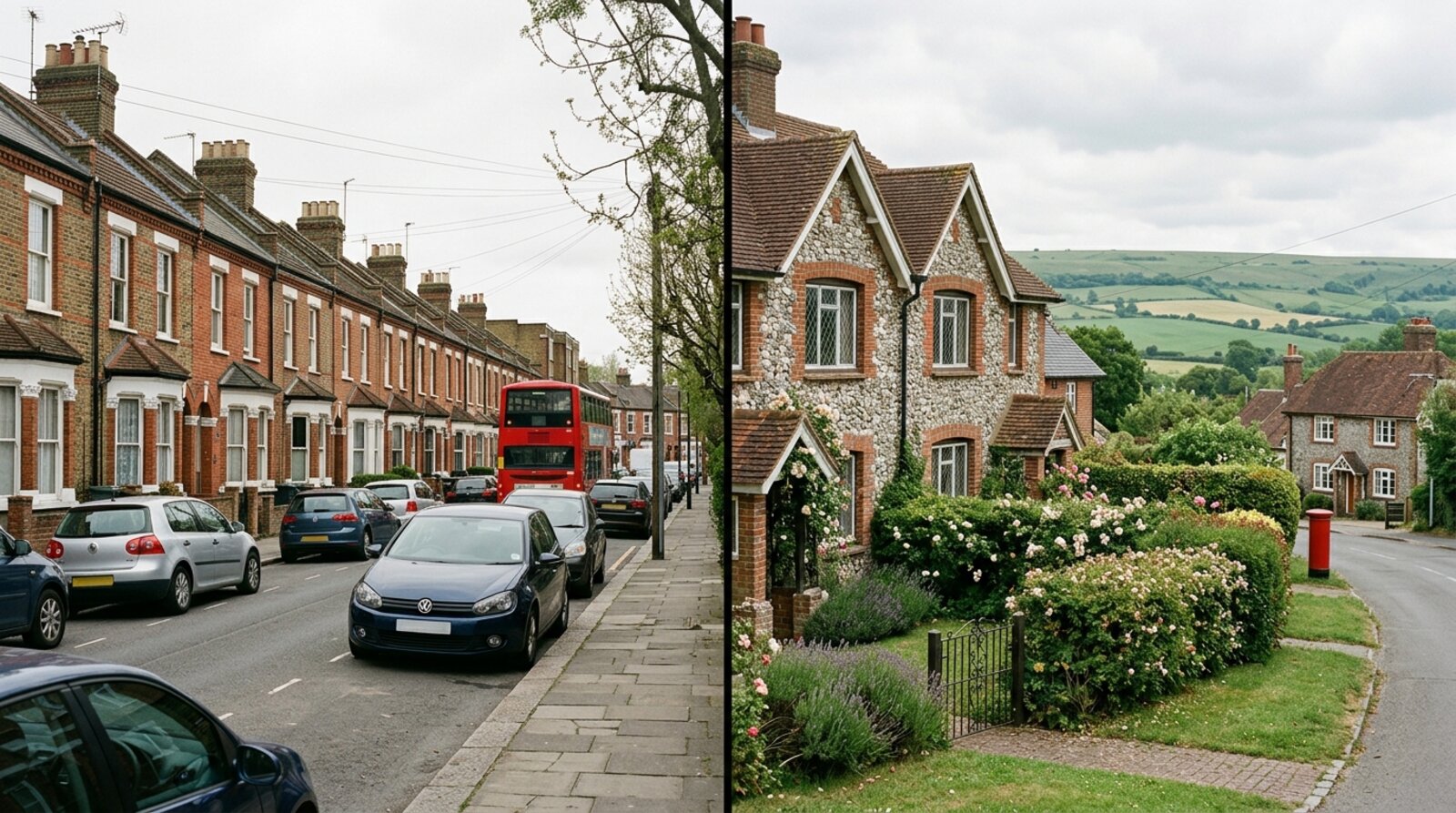
The move out of London almost always saves you money on housing. The honest question is how much of that saving survives once you add back the commuter season ticket, the higher council tax in some Sussex districts, and the everyday costs that do not fall as far as people expect. This guide compares the ongoing monthly costs of living in London versus Sussex in 2026, with worked budgets for a couple and for a family, and a break-even table so you can see exactly where the line falls for you. It is the companion to our towns guide: that one tells you where to land, this one tells you whether it is worth it.
Housing: the saving that drives everything
Housing is where the gap is largest and the reason most people make the move at all. In March 2026 the average London property cost around £542,000, according to the UK House Price Index from HM Land Registry and the ONS. The average across Mid Sussex was £436,000 over the same period, and that figure buys a noticeably bigger home: a three bedroom semi in Haywards Heath or Burgess Hill costs roughly what a small flat does in zones 3 to 4 of the capital. A family-sized semi in much of inner and middle London sits comfortably above £1 million, so the like-for-like swap, trading a London flat for a Sussex house, is where the real money is.
Renting follows the same pattern. The average private rent in Mid Sussex was about £1,410 a month in April 2026, against roughly £2,290 a month across London as a whole, on ONS figures. For a two bedroom that often means paying £800 to £1,000 less every month for more space and a garden. The housing saving is genuine and it is the single biggest number in this comparison. What follows is the set of costs that eat into it.

Council tax: where Sussex can cost you more
This is the cost that surprises Londoners most, because it can move the wrong way. Several Sussex districts charge well above the cheaper London boroughs for the same band. For 2026/27 a Band D home in Lewes district pays around £2,756 a year, one of the higher charges in the South East once the county, police, fire and parish precepts are added. Mid Sussex sits lower at about £2,474 for Band D, but that is still a long way above Wandsworth in south west London, which set the lowest Band D bill in the country at roughly £1,020 for the same year.
So a household leaving a cheap London borough can find their council tax doubling on the move, even before allowing for the fact that a Sussex house often sits in a higher band than the London flat it replaces. The effect is real but bounded: the worst case adds something like £100 to £150 a month, which is a fraction of the housing saving. The point is to budget for it honestly rather than assume everything is cheaper outside London. Check the exact band and charge for any address before you commit, using the government's own Council Tax bands tool.
The commuter season ticket: the offsetting cost
If you are keeping a London job, the season ticket is the line that decides whether the move pays. A Thameslink-only annual season ticket from Brighton to London is about £5,204 in 2026, while the any-permitted-route version to London Terminals, which also covers the faster Gatwick Express and Southern services, costs more, around £6,164. Routes from Mid Sussex stations such as Haywards Heath and Burgess Hill sit lower, with the any-route annual ticket from Haywards Heath about £4,788, and Gatwick-side towns like Three Bridges cheaper again. Spread over the year, a £5,000 season ticket is around £415 a month, and that is the figure you must set against your housing saving.
Two things soften it. First, you are likely already paying for some London travel, so the net new cost is the season ticket minus whatever you spent on Tube and bus fares before. Second, hybrid and part-time office patterns have made flexible and carnet-style tickets far more competitive for anyone in the office two or three days a week, often cutting the annual rail spend by a third or more. If you commute five days a week the full season ticket applies; if you go in twice, the maths shifts firmly in Sussex's favour. Our guide to the best commuter towns in Sussex for London workers breaks down train times and ticket prices station by station, so you can pin down the real number for your route.
Childcare and everyday spend
Childcare is the other big monthly line for families, and here Sussex helps, though less dramatically than housing. Full time nursery for a child under two runs about £1,300 to £1,700 a month across the South East including Sussex, against £1,800 to £2,100 in central London, on 2026 provider figures. Outer London sits closer to the Sussex range, so the saving depends heavily on where in the capital you are leaving. Funded hours and Tax-Free Childcare apply in both places and can cut the out-of-pocket figure sharply once a child qualifies.
Everyday spending is the category that moves least. Supermarket prices are broadly national, so a weekly food shop costs much the same in Haywards Heath as in Hackney. Petrol and car running costs usually rise in Sussex, because a car becomes essential where it was optional in zone 2, and that adds insurance, fuel and parking that a London household may have lived without. Eating out, gyms and leisure tend to be a little cheaper outside the capital, but not by enough to change the overall picture. The headline saving comes from housing and is then trimmed by the season ticket, council tax, and a second car.
Worked monthly budget: a commuting couple
Take a couple swapping a rented two bedroom London flat for a similar home in Mid Sussex, with one partner commuting to London four days a week. Here is the shape of the change in their ongoing monthly costs:
- Rent: down from about £2,290 to about £1,410, a saving of roughly £880
- Council tax: up from a cheaper London borough by roughly £80
- Season ticket (annual cost spread monthly): a new cost of about £415, partly offset by dropping a London travel pass worth perhaps £160, for a net rise near £255
- Car running costs: a new or second car adding around £200
- Everyday spend: broadly unchanged
Net of those movements, the couple come out around £325 a month better off, while gaining space and a garden. The saving is real but modest once the commute is paid for, which is exactly why the season ticket and the number of office days matter so much. Shift to two office days a week and the monthly saving comfortably clears £450.
Worked monthly budget: a family buying a house
Now take a family trading a London flat for a Sussex house, with a mortgage rather than rent and one young child in nursery. The housing saving here is the big one, because they are moving from a roughly £540,000 flat to a £440,000 house with more rooms, which cuts the mortgage and the deposit needed. On the monthly running costs:
- Mortgage: lower on a smaller loan, the size depending on rates and deposit, often a saving of £300 to £600
- Council tax: up by roughly £100 moving into a higher band and a higher-charging district such as Lewes
- Season ticket: a new cost near £415 a month for the commuting parent, less any London travel dropped
- Childcare: down by roughly £300 against central London nursery fees
- Second car: a likely new cost of around £200
For a family the numbers usually land more clearly in favour of the move, because the housing saving is larger and childcare falls too. The risk that erodes it is a long, full-week commute, which is why where you buy, and the train time it locks you into, does more for the household budget than any other single choice.
Break-even: housing saving versus the season ticket
The simplest way to test the move is to set your monthly housing saving against the season ticket, since those two figures dominate everything else. The table below shows the net monthly position for a few common combinations, taking the season ticket as roughly £415 a month and ignoring smaller items so the logic stays clear.
- Housing saving £400, full season ticket £415: roughly break-even, so the move is about lifestyle, not money
- Housing saving £600, full season ticket £415: around £185 a month ahead before other costs
- Housing saving £880, full season ticket £415: around £465 a month ahead, the typical rent-to-rent case
- Housing saving £600, part-time ticket £280: around £320 a month ahead, the hybrid worker's case
- Housing saving £1,200, full season ticket £415: around £785 a month ahead, the flat-to-house buyer's case
The pattern is consistent. If your housing saving is comfortably above your season ticket, the move pays from month one. If the two are close, treat the move as a lifestyle decision with the finances roughly neutral, and weigh the garden, the schools and the commute time accordingly. Anyone working from home most of the week tips firmly into profit, because the season ticket, the one cost that pulls against Sussex, mostly disappears.
The one-off costs sit on top
Everything above is about ongoing monthly costs. The move itself, removals, conveyancing, surveys and stamp duty, is a separate one-off bill that you pay once at completion and which does not recur. It matters for your upfront cash but not for the month-to-month comparison, so we have kept it out of these budgets. If you are working out the full cash needed to make the move, read our guide to the cost of moving house in Sussex, which itemises every transaction fee and works through stamp duty at real Sussex prices. Use that for the deposit-and-fees question, and this page for the will-it-pay-each-month question.
Frequently asked questions
Is it actually cheaper to live in Sussex than London?
For housing, clearly yes: the average Sussex home costs far less than the London equivalent, and rent runs roughly £800 to £1,000 a month lower for similar space. Whether your total cost of living falls depends on the commute. Add a £5,000-a-year season ticket and higher council tax in some districts, and a five-day commuter may end up only a few hundred pounds a month better off. A hybrid worker or a family buying a house usually saves much more.
How much is a season ticket from Sussex to London?
A Thameslink-only annual season ticket from Brighton to London is about £5,204 in 2026, while the any-route version to London Terminals is around £6,164. Mid Sussex stations are cheaper, with an any-route annual ticket from Haywards Heath about £4,788, and Gatwick-side towns cheaper again. The Travelcard version that includes Underground travel costs more. Spread over the year a £5,000 ticket is around £415 a month, which is the figure to set against your housing saving.
Is council tax higher in Sussex than in London?
It often is. For 2026/27 a Band D home in Lewes district pays around £2,756 a year and Mid Sussex about £2,474, while the cheapest London borough, Wandsworth, charges roughly £1,020 for Band D. A household leaving a low-tax London borough can see their council tax roughly double, so always check the exact band and charge for an address before you commit. It is a real cost, though small set against the housing saving.
Does hybrid working change whether the move is worth it?
Significantly. The season ticket is the main cost pulling against Sussex, so cutting your office days cuts it. Flexible and part-time tickets for two or three days a week can reduce annual rail spend by a third or more compared with a full season ticket. A worker in the office twice a week keeps almost all of the housing saving, which is why the move stacks up far better now than it did when five days in London was standard.
How much does childcare cost in Sussex versus London?
Full time nursery for a child under two runs about £1,300 to £1,700 a month across Sussex and the wider South East, against roughly £1,800 to £2,100 in central London, on 2026 figures. Outer London is closer to the Sussex range. Funded hours and Tax-Free Childcare apply in both areas and can lower the out-of-pocket cost once a child qualifies, so the gap is real but smaller than for housing.
What costs go up when you move from London to Sussex?
Council tax in several districts, transport if you keep a London job and need a season ticket, and motoring, because a car often becomes essential where it was optional in zone 2, adding fuel, insurance and parking. Everyday spending such as the supermarket shop barely changes, since grocery prices are broadly national. The savings come from housing and, for families, childcare; the season ticket and a second car are the main costs working the other way.
Working out your own number
The comparison comes down to two figures you can pin to your own situation: your monthly housing saving and your season ticket, adjusted for how many days you actually commute. Get those two right and the rest, council tax, childcare, a second car, are smaller adjustments around the edges. Most people moving out of London to Sussex do save money, but the size of the saving swings hugely on the commute, so settle the where and the how-often before you settle the whether.
If you are still choosing a town, start with our best commuter towns in Sussex for London workers guide for train times and prices by station, then return here to test the budget. And for the upfront cash side of the move, our cost of moving house guide handles the one-off fees. For everything else about settling into the county, the towns, schools, beaches and daily life, our guide to moving to and living in Sussex sets the numbers in context.