Solicitor vs Licensed Conveyancer: Which Should You Use?
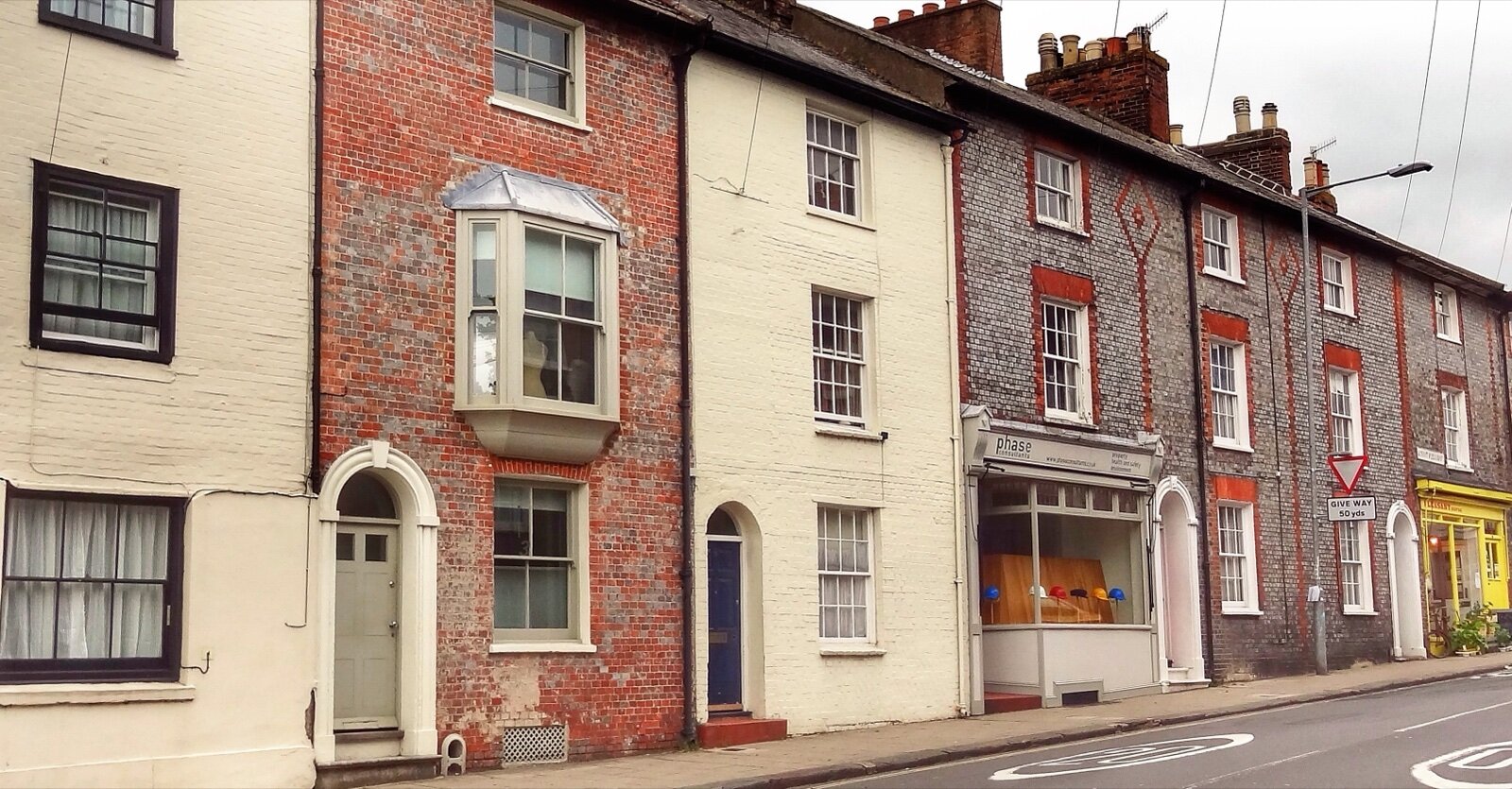
Houses on East Street, Lewes, Sussex by Ian Cunliffe (CC BY-SA 2.0), via Wikimedia Commons

The solicitor vs conveyancer question comes up the moment an offer is accepted, usually because the estate agent has already suggested a firm and you want to know whether it matters. Both can legally handle the purchase or sale of a home in England and Wales, both are regulated, and both carry insurance. The differences are narrower than the marketing on either side suggests, but they are real, and on a handful of Sussex transactions they decide which one you should be ringing.
The short answer
For a standard freehold house purchase, a sale, or a straightforward leasehold flat, a licensed conveyancer and a conveyancing solicitor will do the same job to the same standard, and you should choose on responsiveness, price and lender panel status rather than on the letters after the name. For anything with a legal complication attached, a title problem, a probate sale, a divorce, a boundary dispute, a transfer into a trust or a right of way that nobody can trace, a solicitor is the safer starting point because they can deal with the wider problem as well as the conveyance.
What a licensed conveyancer actually is
A licensed conveyancer is a specialist property lawyer regulated by the Council for Licensed Conveyancers, which describes itself as the specialist property law regulator for England and Wales. They qualify through a property-only route: their training, examinations and continuing practice all sit inside conveyancing, and in most cases probate too. They are not a cut-price version of a solicitor and they are not unqualified. They are qualified in a narrower field.
A conveyancing solicitor qualifies through general legal training that covers everything from contract to crime, then specialises. They are regulated by the Solicitors Regulation Authority and their firm will usually be a member of the Law Society. The practical upshot is that a solicitor's firm normally has other departments down the corridor, which is exactly what you want if your move turns out to involve an estate, a separation or a dispute.
There is a third category worth knowing about: CILEX property practitioners, who qualify through the Chartered Institute of Legal Executives route and are regulated by CILEx Regulation. They can run conveyancing files in the same way.
Protection: the difference is smaller than you think
This is where most comparison articles go wrong by implying a solicitor is somehow safer. Both routes are fully regulated, both must carry compulsory professional indemnity insurance, both are backed by a compensation fund for the rare case where money goes missing, and both answer to the same complaints body, the Legal Ombudsman.
The complaints route is identical whichever you use. You complain to the firm first and it has up to eight weeks to put things right, as the Legal Ombudsman sets out. If that does not resolve it, the Ombudsman can take the case on. Nothing about that changes according to which regulator sits behind the firm.
Where the two genuinely differ
Lender panels
Your mortgage lender has to approve whoever acts on the legal side, and that approval comes from being on the lender's panel. Many lender panels require SRA-regulated firms to hold the Law Society's Conveyancing Quality Scheme accreditation. CLC-regulated firms are treated differently, because the CLC Handbook already builds in equivalent requirements, so they do not need separate CQS accreditation to get on panels. Either way, the check you need to make is the same and it is not optional: before you instruct anyone, ask whether they are on the panel for your specific lender. If they are not, you will end up paying for a second firm to act for the lender, which adds cost and delay.
Acting for both sides
SRA rules restrict the circumstances in which a firm can act for both the buyer and the seller in the same transaction. CLC rules allow it where there is informed written consent and different authorised people within the firm handle each side. Neither is right or wrong, but if you are buying from a seller who uses the same firm, ask exactly how the file is being separated before you agree.
Breadth of work
A licensed conveyancer's remit is conveyancing and, in many cases, probate. If your purchase turns into something else, and Sussex moves do this more often than you would expect, they will have to refer you out. Older housing stock in Lewes, Rye, Arundel and the Brighton lanes throws up unregistered title, shared drainage, flying freeholds and covenants written in the nineteenth century. A firm that also has a private client or litigation department can absorb that without you starting again.
What it costs
Price does not split neatly along the solicitor and conveyancer line. Both quote in the same shape: a legal fee for the work, plus disbursements, which are the third-party costs paid on your behalf such as Land Registry fees, local authority and drainage searches, bankruptcy and title searches, and Stamp Duty Land Tax if it is due. Volume firms of either type undercut high street firms of either type. The number that matters is the total on the quote, not the headline fee, so insist on a written breakdown that lists every disbursement, VAT and any charge described as an admin, telegraphic transfer or case management fee.
Watch for two things in particular. First, referral fees: if the estate agent recommends a firm, ask what the agent is paid for the referral, because it must be disclosed. Second, no-completion protection, which some firms sell as an add-on covering your abortive fees if the chain collapses. Decide whether you want it rather than discovering it on the invoice.
Our cost of moving house in Sussex page sets the legal fee in the context of the whole move, and the stamp duty calculator handles the largest disbursement on most purchases.
How to choose in practice
- Check the lender panel first. Everything else is wasted effort if the firm cannot act for your lender.
- Ask who runs your file, and how you reach them. A named fee earner with a direct line and email beats a case reference and a general inbox every time. This is the single biggest driver of how a Sussex chain feels from the inside.
- Ask about workload. How many files does that person carry? A firm quoting a rock-bottom fee is usually running high volumes per fee earner.
- Get the quote in writing, itemised. Compare totals, not headline fees.
- Verify regulation. Search the firm on the SRA or CLC register rather than trusting a logo on a website.
- Match the firm to the property. Period or unregistered title, a probate sale, an ongoing separation or a short lease all point towards a solicitor's firm with the wider departments.
The Sussex cases where you want a solicitor
Some purchases are legal work with a house attached. A leasehold flat with a lease under 80 years needs someone who can advise on a lease extension as well as the purchase. A sale by executors after a death runs faster when the same firm holds the grant of probate. A move that is part of a divorce settlement needs the conveyance and the financial order to fit together. Buying a property in a conservation area or a listed building, common across the South Downs villages and the Sussex market towns, can pull in enforcement history and consent issues. In each of those, the conveyance is the easy part.
Frequently asked questions
Is a licensed conveyancer as good as a solicitor?
For a standard house or flat purchase, yes. A licensed conveyancer is a qualified specialist property lawyer regulated by the Council for Licensed Conveyancers, carries compulsory professional indemnity insurance, is backed by a compensation fund and answers to the Legal Ombudsman, exactly as a solicitor does. The difference is breadth: a solicitor can also handle probate, disputes, trusts and family matters that a conveyancing-only firm would have to refer out.
Is a conveyancer cheaper than a solicitor?
Not reliably. Price tracks the firm's business model rather than its regulator: high-volume online firms of either type undercut high street firms of either type. Compare total quoted costs including disbursements and VAT, not the headline legal fee, and check whether extras such as a telegraphic transfer fee, an admin fee or no-completion cover have been added.
Who regulates licensed conveyancers and solicitors?
Licensed conveyancers are regulated by the Council for Licensed Conveyancers, the specialist property law regulator for England and Wales. Solicitors are regulated by the Solicitors Regulation Authority and their firms are usually Law Society members. A third route, CILEX property practitioners, is regulated by CILEx Regulation. All three are overseen by the Legal Services Board and all answer to the Legal Ombudsman on complaints.
Does my mortgage lender accept a licensed conveyancer?
Usually, but you must check for your specific lender before instructing anyone. Approval comes from being on that lender's panel. Many panels require SRA-regulated firms to hold the Law Society's Conveyancing Quality Scheme accreditation, while CLC-regulated firms do not need separate CQS accreditation because the CLC Handbook already covers equivalent ground. If your firm is not on the panel, the lender instructs its own solicitor and you pay for both.
Can I use the firm my estate agent recommends?
You can, and it is sometimes a good firm, but you are never obliged to. Ask what referral fee the agent receives, because it has to be disclosed, and get at least two other written quotes to compare. Also ask whether the agent's recommendation is on your lender's panel and who would run the file day to day, since a recommendation is about the agent's relationship with the firm, not your transaction.
What if the same firm acts for both buyer and seller?
SRA rules restrict when a solicitors' firm may act for both parties in the same transaction. CLC rules permit it where each client gives informed written consent and different authorised people inside the firm handle each side. If it is proposed to you, ask in writing how the two files are separated, and remember that you can decline and instruct someone else.
Getting the legal side moving
Instruct as soon as your offer is accepted rather than waiting for the survey, because searches sit on the critical path and a Sussex local authority search can take weeks. Whichever route you choose, the firm that answers the phone is worth more than the firm with the cheapest quote. Start with the Move Sussex homepage for the rest of the move, or the 8-week moving house checklist for how the legal work slots in alongside everything else.