Long-Distance Removal Costs From Sussex: 2026 Price Guide for Moves to London and Beyond
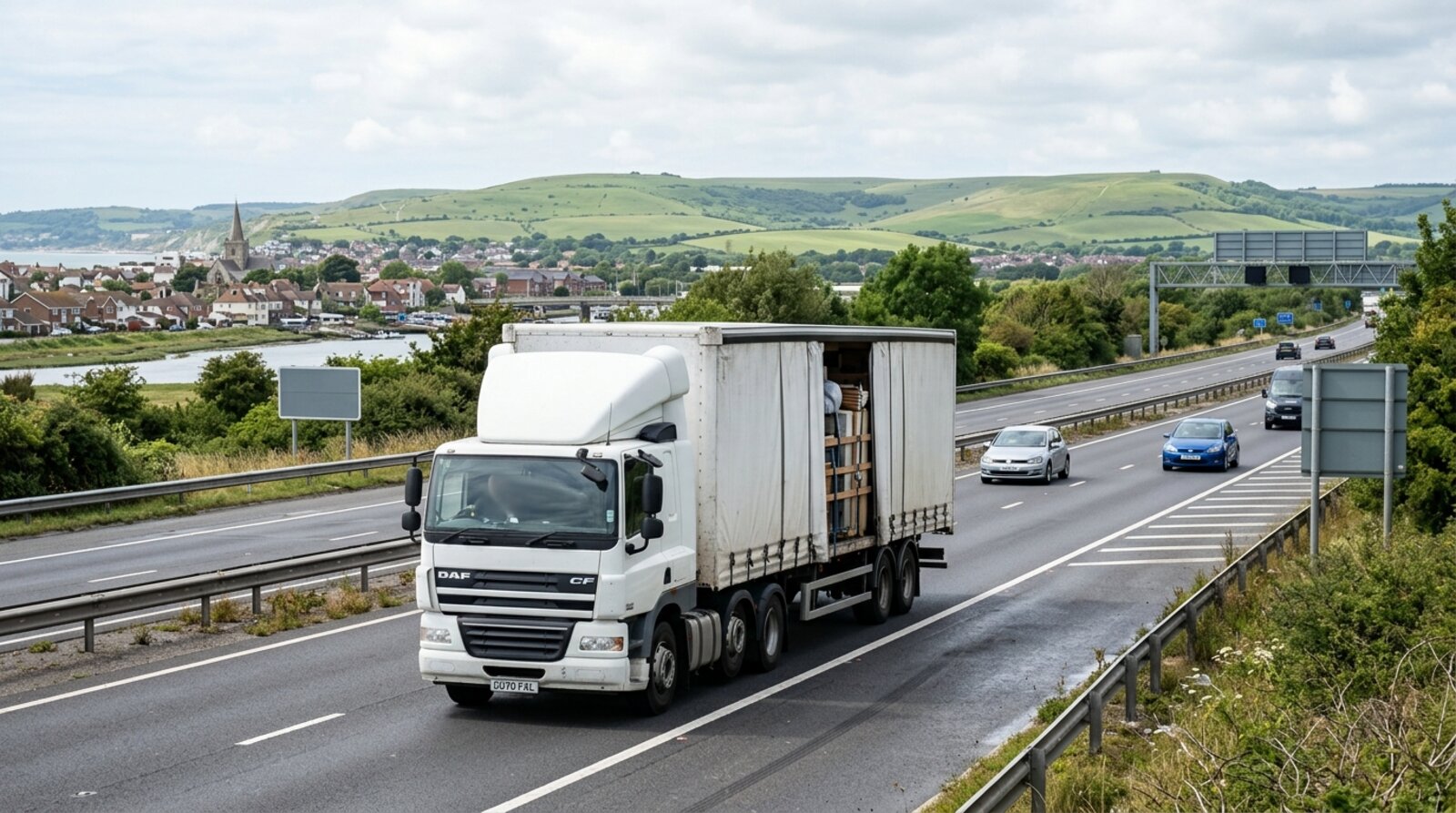
Moving within Sussex is one thing. Moving out of it, or into it from a long way off, is priced on a different logic. A short hop across town is mostly about how much you own and how long the day runs. A move from Brighton to the Midlands, or from a Sussex village down to the South West, brings in distance, driving hours, fuel, and sometimes a second day and an overnight stay for the crew. This guide sets out realistic 2026 price bands for long-distance moves out of (and into) Sussex, explains the factors that actually move the number, and shows where part-load options can cut the bill. If you only need a cross-town figure, our man and van cost guide for Sussex is the better starting point.
What counts as a long-distance move
There is no single legal definition, but removals firms price in distance bands, and it helps to think the same way. A useful split is under 50 miles, 50 to 150 miles, and 150 miles or more. Sussex sits roughly 40 to 60 miles from central London depending on where you start, so a Sussex-to-London move usually lands at the top of the short band or the bottom of the middle one. A run to Bristol, Manchester or Exeter is firmly in the long band, where the price stops being about hours on site and starts being about the journey itself.
The reason the band matters is that pricing changes character as distance grows. Local moves under about 30 miles are usually charged as a half-day or full-day job, where the cost tracks the size of the load and how long loading and unloading take. Once the drive gets long, firms switch to distance-based pricing that factors in travel time, fuel, and the possibility of the job spilling into a second day. That switch is why a move twice as far can cost far more than twice as much.
Average long-distance removal cost bands for 2026
Across the UK, the typical house move costs around £1,080, with most moves falling between roughly £959 and £1,612, according to verified move data published by Compare My Move. Those figures cover moves of all distances, so they are the baseline a long-distance Sussex move builds on top of, not the finished price.
The ranges below are realistic 2026 bands for a full-service move (firm provides the van and crew; you pack your own boxes) leaving Sussex. Treat them as a sanity check against quotes, not a fixed price, because volume, access and timing all swing the final figure.
- 1 to 2 bedroom flat or small house, Sussex to London (under 50 miles): roughly £600 to £1,100. A small one-bed move is at the low end; add packing and the figure climbs.
- 3 bedroom house, Sussex to London (under 50 miles): roughly £1,000 to £1,800. A three-bed move averages around £900 before extras nationally, and the South East sits above the national average, so budget toward the middle.
- 3 bedroom house, Sussex to the Midlands or South West (50 to 150 miles): roughly £1,300 to £2,200, as travel time and fuel get added on top of the base move.
- 4 bedroom house, long distance (150 miles or more, for example Sussex to the North or Scotland): roughly £2,000 to £3,500+, with the higher end reflecting a two-day job and an overnight stay for the crew.
Two things sit behind those numbers. First, the South East, including Sussex, tends to run above the national average because labour and operating costs here are higher, though it is generally cheaper than central London itself. Second, the further you go, the more the price is driven by the road rather than the rooms, which is the subject of the next section.
The factors that move a long-distance price
Distance, fuel and driving hours
On a long move you are paying for the journey, not just the move. A full lorry running from Sussex to, say, Leeds burns a lot of diesel and ties up a crew for most of a day on the road, and that time is billed. Some firms quote a per-mile element on top of an hourly or day rate, others fold it into a fixed distance-based price; either way, the mileage and the hours behind the wheel are the single biggest reason a far move costs more than a near one for the same amount of stuff. Intercity moves in the 50 to 150 mile band can add a few hundred pounds over an equivalent local job once travel time is counted in.
One day, two days, and overnight stays
A short move is a single-day job: load in the morning, unload in the afternoon. Past a certain distance that stops working. For longer relocations the move can be split across two days, loading on day one and driving and delivering on day two. Very long moves may need the crew to set off the evening before or stay over near the destination. Where that happens you should expect to see an overnight cost itemised, often in the region of £100 to £200 for crew accommodation on moves of around 200 miles or more. A two-day move also means a second day of crew time, which is the main reason long-distance four-bed moves reach the top of the bands above.
Property size and volume
How much you own still matters, and on a long move it matters more, because a bigger load may push you from one van to a larger lorry, or even a second vehicle, and that multiplies the running cost over the distance. This is where decluttering before the survey pays off twice: you shrink the volume and you may drop into a smaller, cheaper vehicle band.
Access at both ends, including leaving Sussex
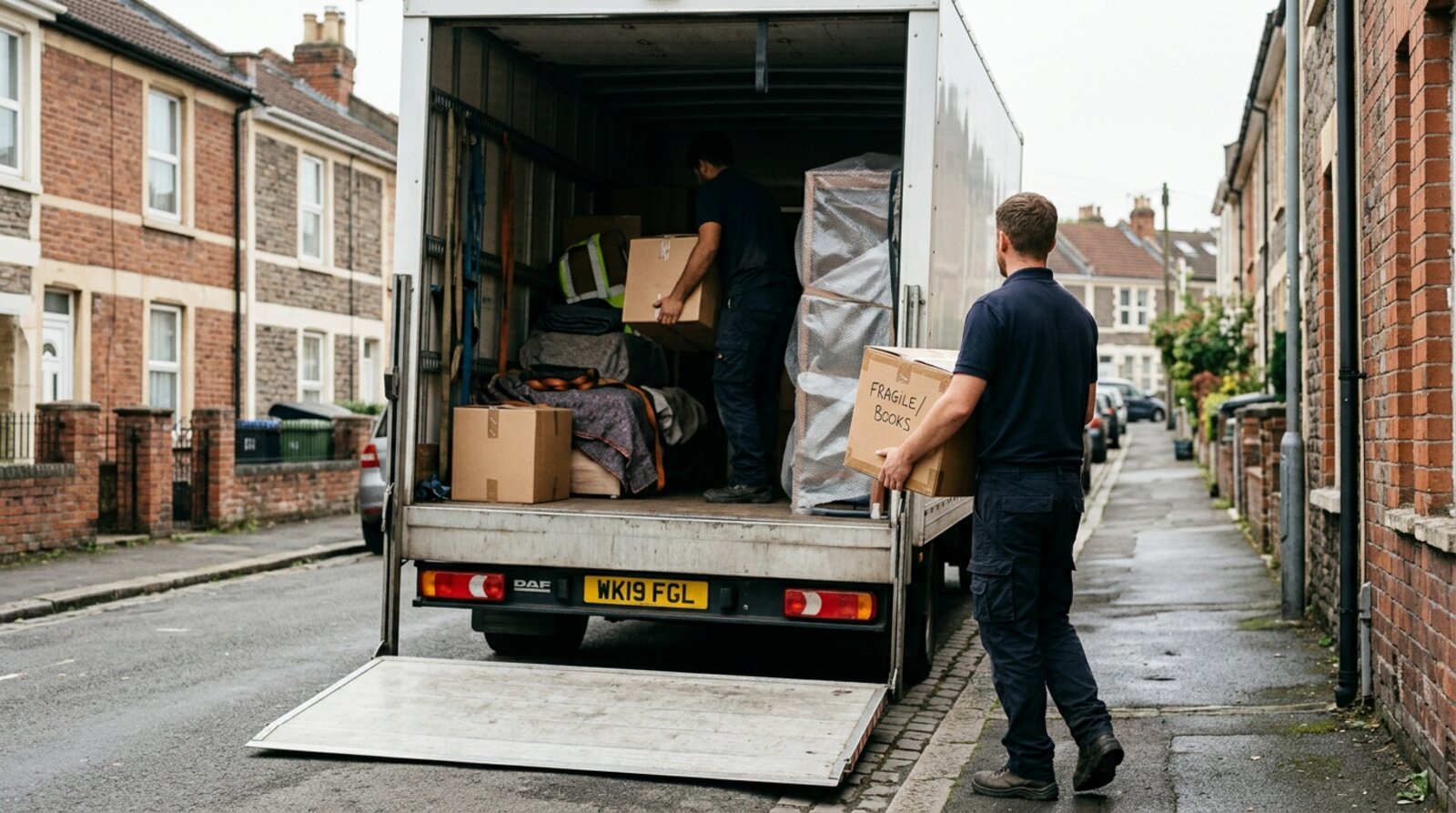
Sussex adds its own access realities to the start of a long move. Brighton and Hove has controlled parking across much of the city, so a lorry may need a suspended bay arranged in advance or it parks streets away, adding a long carry. The narrow lanes and tight terraces of Lewes, Rye, Arundel and the Brighton lanes can keep a big vehicle at a distance. Coastal flats in Worthing, Eastbourne and Bognor often mean stairs or a shared lift with booking rules. Rural homes on the South Downs may sit down a single-track lane or a gravel drive a full lorry cannot reach, which can mean a shuttle in a smaller van. Then there is the road out: getting onto the motorway network from the coast via the A23 and M23, or running east to west along the A27, takes time before the long leg even begins. Flag all of this to the surveyor, at both ends, so the quote is built on the real job.
Packing and materials
Packing is the biggest single swing between quotes. A full packing service, where the crew boxes everything, adds a large chunk but protects fragile items and speeds the load. Part packing, where they handle only the breakables, is a middle option. Packing yourself is cheapest but check the insurance position first: goods-in-transit cover often only applies to items the firm packed itself, so self-packed boxes may not be covered for breakages inside.
Part-load versus full-load: where the savings are
If you are not filling a whole lorry, or you have flexibility on timing, a part-load can cut the cost of a long-distance move noticeably. With a part-load (sometimes called a shared load or return load), your belongings travel alongside someone else's going the same way, so you only pay for the space you use rather than a dedicated vehicle and a one-way trip. On longer routes this can come in meaningfully cheaper than a full, dedicated load, often in the region of 15 to 30 percent less.
The trade-off is control. A part-load means a wider delivery window rather than a fixed arrival time, because the firm is coordinating more than one job on the route. That suits a downsizer with fewer items and a flexible move-in date far better than a family with a fixed completion in a chain and a lorry's worth of belongings. The questions to ask are simple: is a part-load an option for my route, what delivery window comes with it, and how much does it save against a full load? For smaller long-distance moves it is often the single biggest lever on the price.
How to get an accurate long-distance quote
Long-distance prices vary so much by route, volume and timing that the only reliable number is one based on a proper survey. Get three written quotes from firms that have seen your home, in person or by a video walkthrough on your phone, and make sure each quote spells out distance, the number of crew, whether it is a one or two-day job, any overnight cost, packing, materials and access charges at both ends. A price given over the phone with no survey is an estimate that tends to grow on the day. When you compare, line the quotes up item by item rather than by headline total, because a cheaper figure that excludes packing or an overnight stay is not really cheaper.
For the credentials to check, the insurance to confirm and the red flags to avoid, our guide on how to choose a removals company in Sussex walks through the lot. To pin down a starting range before you ring round, the house removal cost estimator gives you a figure to sanity-check quotes against, and the wider cost of moving house in Sussex guide sets removals alongside every other fee in a move.
Is the move worth it? Weighing the wider picture
For London commuters leaving the capital, the removal bill is a one-off against years of lower housing and living costs, which is usually the whole point of the move. If you are weighing Sussex against staying put in London, our cost of living comparison for London versus Sussex puts the running costs side by side so you can see how quickly a move pays for itself. For the bigger picture on where in the county to land, the Move Sussex homepage and our estate agents directory cover the towns, the commuter routes and the local firms who can handle the sale.
Frequently asked questions
How much does it cost to move from Sussex to London in 2026?
For a move under 50 miles, which covers most of Sussex to London, budget roughly £600 to £1,100 for a 1 to 2 bedroom flat and around £1,000 to £1,800 for a 3 bedroom house on a full-service move where you pack your own boxes. The South East sits above the national average of about £1,080, so lean toward the middle of those ranges, and add more if you want a full packing service. The only accurate figure is a written quote based on a survey of your home.
Why does a long-distance move cost so much more than a local one?
A local move is priced mostly on how much you own and how long the day runs. A long move adds the journey itself: fuel, the hours a crew spends driving, and the chance the job runs into a second day with an overnight stay for the crew. Past roughly 200 miles you may see £100 to £200 for crew accommodation itemised, plus a second day of crew time. That is why a move twice the distance can cost well more than twice as much.
What is a part-load and could it save me money?
A part-load, also called a shared or return load, means your belongings share a lorry with another job heading the same way, so you only pay for the space you use rather than a dedicated one-way trip. On longer routes it can come in around 15 to 30 percent cheaper than a full load. The catch is a wider delivery window instead of a fixed arrival time, so it suits a downsizer with fewer items and a flexible date better than a family with a fixed chain completion.
Does leaving a coastal Sussex town make a move more expensive?
It can, because access drives part of the price. Brighton and Hove has controlled parking across much of the city, so a lorry may need a suspended bay booked in advance or it parks streets away, adding a long carry. Narrow lanes in Lewes, Rye and Arundel, seafront flats with stairs or a shared lift in Worthing and Eastbourne, and rural drives on the South Downs can all add cost or need a shuttle van. Tell the surveyor about access at the Sussex end so the quote reflects it.
Should I pack myself to cut the cost of a long-distance move?
Packing yourself is the cheapest option and is fine for sturdy, well-labelled items. The thing to check first is insurance: goods-in-transit cover usually only applies to boxes the removals firm packed itself, so self-packed boxes may not be covered for breakages inside. A sensible middle ground on a long move is part packing, where the crew handle only the fragile items, which protects the things most likely to break on a long drive.
How far ahead should I book a long-distance move out of Sussex?
Book four to six weeks ahead as a minimum so you can gather three quotes and arrange surveys. For a summer move, or one that needs a two-day job and an overnight stay, allow six to eight weeks, because the right vehicle and crew for a long route are harder to slot in at short notice. If you are in a chain, get your written quotes ready early and confirm the date the moment you exchange contracts.
Booking a long move from Sussex with confidence
The headline to take away is simple: on a long-distance move you are buying a journey as much as a day's labour, so the distance band, whether it runs to two days, and how much you actually own decide the price more than anything else. Get three surveyed written quotes, compare them line by line including any overnight and access costs, and ask every firm whether a part-load fits your route. Raise the Sussex access realities up front, from Brighton parking to a South Downs lane, and you will book on a real figure rather than one that grows on the day.