Home › Moving to Worthing
Moving to Worthing: Areas, Schools, Trains and House Prices
Moving to Worthing gets you a seafront town between the South Downs and the Channel, with a pier, five railway stations and a direct line to London Victoria, for a good deal less than the regional average. The average home in Worthing sold for £297,200 in July 2026, according to HM Land Registry, against £380,878 for the South East as a whole. The fastest trains reach Victoria in 1 hour 19 minutes, although the typical journey is closer to an hour and a half. This page covers the areas, the schools, the commute and what each type of home costs.

Average price, Worthing: £297,200 in July 2026, down 3.9% on a year earlier (HM Land Registry UK House Price Index).
South East average: £380,878 in the same month, so Worthing sits about 22% lower.
Train to London Victoria: 1 hour 19 minutes on the fastest services, about 1 hour 36 minutes on average, around 42 direct trains a day (Trainline route data).
Council: Worthing Borough Council, working with Adur as Adur & Worthing Councils, for planning, bins and parking; West Sussex County Council for schools and roads.
House prices in Worthing by property type
The Land Registry index covers Worthing borough, which runs from Goring-by-Sea in the west to East Worthing, and north to Findon Valley and High Salvington at the edge of the Downs.
| Property type | Average price, July 2026 | Change on a year |
|---|---|---|
| Detached | £596,053 | -3.2% |
| Semi-detached | £410,604 | -2.3% |
| Terraced | £326,276 | -2.8% |
| Flat or maisonette | £180,014 | -6.1% |
| First-time buyer average | £244,252 | -4.1% |
| All property types | £297,200 | -3.9% |
Source: HM Land Registry UK House Price Index, Worthing.
Prices have been edging down. The average was £300,784 in May 2026 and £297,297 in June before settling at £297,200 in July. Flats have fallen furthest, by 6.1% over the year, which matters because Worthing has a lot of them: converted Victorian and Edwardian houses near the seafront and purpose-built blocks along Marine Parade. For buyers that softness is an opportunity to negotiate; for sellers it is a reason to price realistically from the start.
The overall average is pulled down by the large number of flats. A family-sized semi costs about £410,000, which is still well below similar homes in Brighton and Hove.
The areas: where to look
Town centre and the seafront
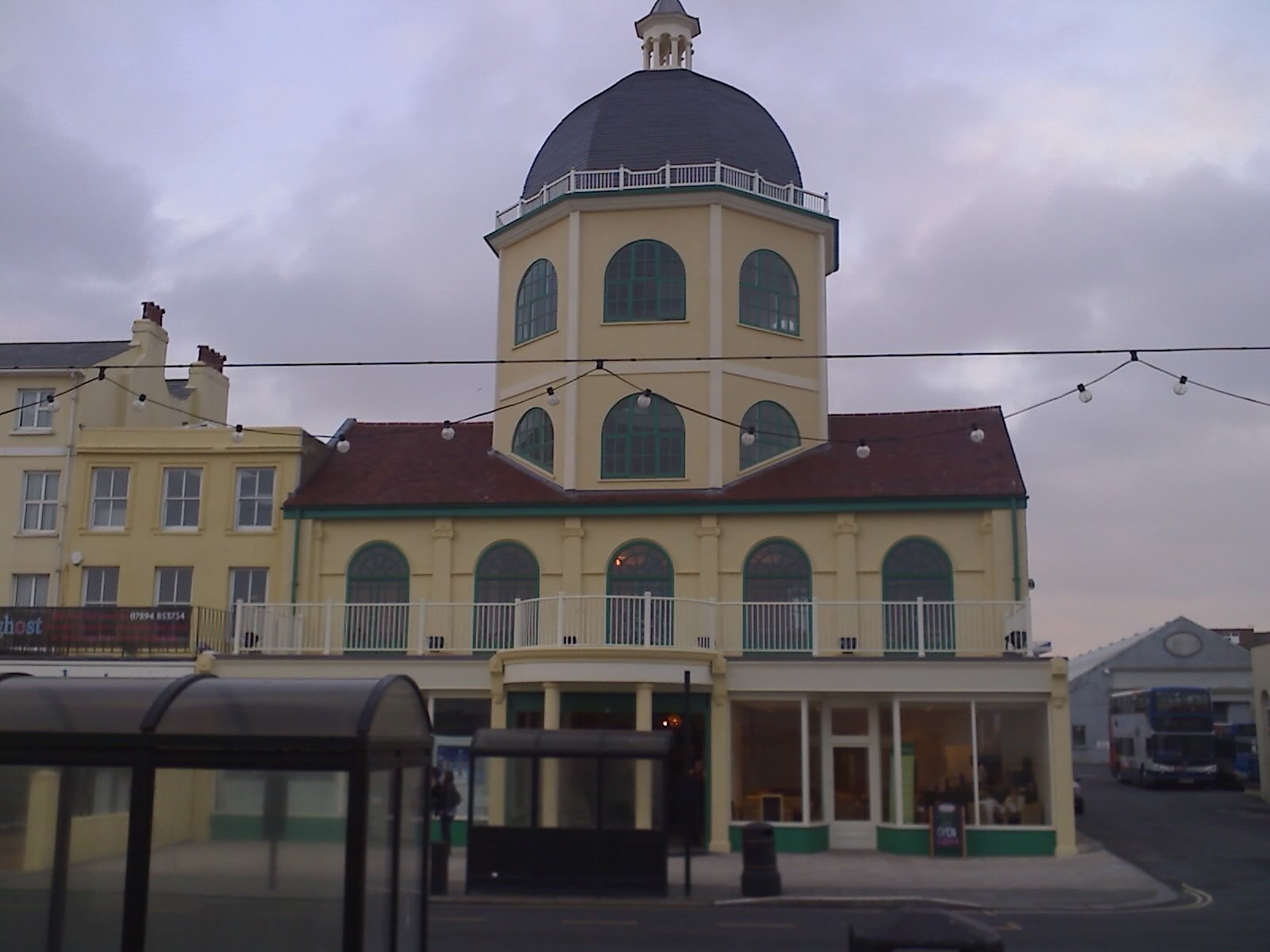
The centre runs from the station down to the pier, with Montague Street as the main shopping street, Steyne Gardens opening onto the sea and Marine Parade lined with Regency and Victorian terraces. Most homes here are flats, many in converted houses, and the trade-off for walking to the beach and the station is tight parking and, in summer, busy streets. Worthing Pier, the Pavilion Theatre and the Dome cinema are all on the front.
Goring-by-Sea
At the western end of the town, Goring is a settled residential area of 1930s and post-war houses and bungalows, with its own station and a long shingle beach. The open green space known as the Goring Gap separates it from Ferring. It is one of the pricier parts of Worthing and popular with families and downsizers alike.
Tarring and West Worthing
West Tarring is one of the oldest parts of Worthing, with a conservation area around its High Street and medieval church. Around it, the streets near West Worthing station are a mix of Edwardian and interwar terraces and semis, within reach of both the town centre and the station.
Broadwater
North of the centre, Broadwater is built around Broadwater Green and the parish church of St Mary, with a busy local shopping street. Homes are mostly terraces and semis, and prices tend to sit below Goring and Tarring, which makes it a common first step up from a flat.
Durrington and West Durrington
Durrington, in the north-west, is mainly post-war housing with its own station, Durrington-on-Sea. West Durrington, on the edge of the Downs, has seen large new-build estates in recent years, with the usual new-build trade-offs: warranties and good energy ratings against smaller gardens and neighbourhoods still settling in.
Findon Valley and High Salvington
Along the A24 at the northern edge of town, Findon Valley and High Salvington sit right under the South Downs, with Cissbury Ring, the Iron Age hillfort looked after by the National Trust, on the doorstep. Homes are mostly detached houses and bungalows, and you will need a car or bus to reach a station.
Schools in Worthing
West Sussex County Council runs admissions for state schools. Most of Worthing's state secondaries teach pupils aged 11 to 16, according to the government's Get Information About Schools register:
- Worthing High School (mixed, 11 to 16)
- Bohunt School Worthing (mixed, 11 to 16)
- Durrington High School (mixed, 11 to 16)
- Davison Church of England High School for Girls (11 to 16)
- St Andrew's CofE High School (mixed, 11 to 16)
- St Oscar Romero Catholic School (mixed, 11 to 18, with a sixth form)
Because most schools stop at 16, the majority of students move on to Worthing College, the sixth-form college on Sanditon Way, which has been part of the Chichester College Group since 2019. Oak Grove College is the town's special school for students aged 11 to 19.
Check the latest Ofsted report and each school's admissions policy before you buy. Faith schools use their own criteria, and living close to a school does not guarantee a place. Our sister site Schools Insight explains how catchment areas work and the application deadlines to put in the diary.
Commuting from Worthing
Worthing has five stations: Worthing, West Worthing, Durrington-on-Sea, Goring-by-Sea and East Worthing, all on the West Coastway line run by Southern. Direct trains run to London Victoria, and Trainline's route data gives the fastest at 1 hour 19 minutes, an average of about 1 hour 36 minutes and around 42 direct trains a day. Southern itself advertises the trip as "an hour and fifteen minutes". The spread is the useful fact: pick your regular train carefully, because the difference between a fast and a slow service is a quarter of an hour each way.
Brighton is 25 minutes away on Southern's direct service, which suits people who work there or in Hove, and trains also run west along the coast to Chichester and Portsmouth. By road, the A27 runs east to Brighton and west to Chichester, and the A24 heads north over the Downs towards Horsham, Dorking and the M25.
Season ticket prices change every March, so check the current fare before you budget. Coming from London, set the fare against the house price gap: a cheaper home can be partly eaten up by years of annual season tickets.
Living in Worthing day to day
- Seafront: the Victorian pier, the Pavilion Theatre and the Dome cinema on Marine Parade, and a promenade that runs the length of the town.
- Culture: the Connaught Theatre and Worthing Museum and Art Gallery in the centre.
- Outdoors: Highdown Gardens, the chalk garden on the western edge, and Cissbury Ring and the wider South Downs National Park to the north.
- Leisure: Splashpoint, the leisure centre and pool on the seafront.
- Healthcare: Worthing Hospital, run by University Hospitals Sussex, has an emergency department in the town.
Planning the move itself
Outside the centre, most Worthing moves need nothing special on the day. In the town centre and along the seafront, parking is the issue. Adur & Worthing Councils charge £40 per bay to suspend parking for a removal vehicle, plus £10 a day for each pay and display bay inside a controlled parking zone, with at least five working days' notice. Our removals in Worthing page covers the application process and what a local move costs, and the Sussex removal costs page breaks prices down by home size. If you are weighing Worthing against an inland town, compare our guide to moving to Horsham, or see more at the Move Sussex homepage.
Frequently Asked Questions
What is the average house price in Worthing?
The average home in Worthing sold for £297,200 in July 2026, according to the HM Land Registry House Price Index, down 3.9% on a year earlier. Flats averaged £180,014, terraced homes £326,276, semis £410,604 and detached homes £596,053.
How long is the train from Worthing to London?
The fastest direct trains from Worthing to London Victoria take 1 hour 19 minutes, but the average is about 1 hour 36 minutes, according to Trainline's route data, with around 42 direct trains a day. Brighton is about 25 minutes away by Southern's direct service.
Is Worthing cheaper than Brighton and the rest of the South East?
Worthing is well below the regional average: its July 2026 average of £297,200 was about 22% under the South East figure of £380,878. That gap, plus the coast and the direct line to Victoria, is why many buyers priced out of Brighton and Hove look along the coast to Worthing.
Do Worthing secondary schools have sixth forms?
Most do not. Worthing High, Bohunt Worthing, Durrington High, Davison CE High School for Girls and St Andrew's CofE High all teach ages 11 to 16. St Oscar Romero Catholic School has a sixth form; most other students move on to Worthing College, the sixth-form college on Sanditon Way.
Which are the best areas of Worthing to live in?
It depends on budget and what you want close by. The town centre has period flats near the beach and station, Goring-by-Sea and Tarring are popular family areas, Broadwater and Durrington are good value with their own stations or shops, and Findon Valley puts you at the foot of the South Downs.