Moving to Sussex: Prices, Trains, Schools and the 2026 Council Shake-Up
People moving to Sussex from London usually arrive with one question, which is how far the money goes, and leave with three more: how long the train really takes, which council they will be dealing with, and whether the school they liked will still take their child. The honest answers vary enormously across the county, because Sussex is not one housing market. It is at least four.
The spread: the average home in Horsham cost £436,940 in June 2026 and the average home in Hastings £236,966. Both are in Sussex, and they are 50 miles apart.
The train: fastest Brighton to London Victoria is 52 minutes. Chichester and Hastings are closer to an hour and a half.
Three councils, for now: East Sussex, West Sussex and Brighton and Hove. Reorganisation into new unitary councils was paused by the government in September 2026.
A mayor is coming: the Sussex and Brighton Combined County Authority was established on 26 March 2026; its first mayoral election is set for May 2028.
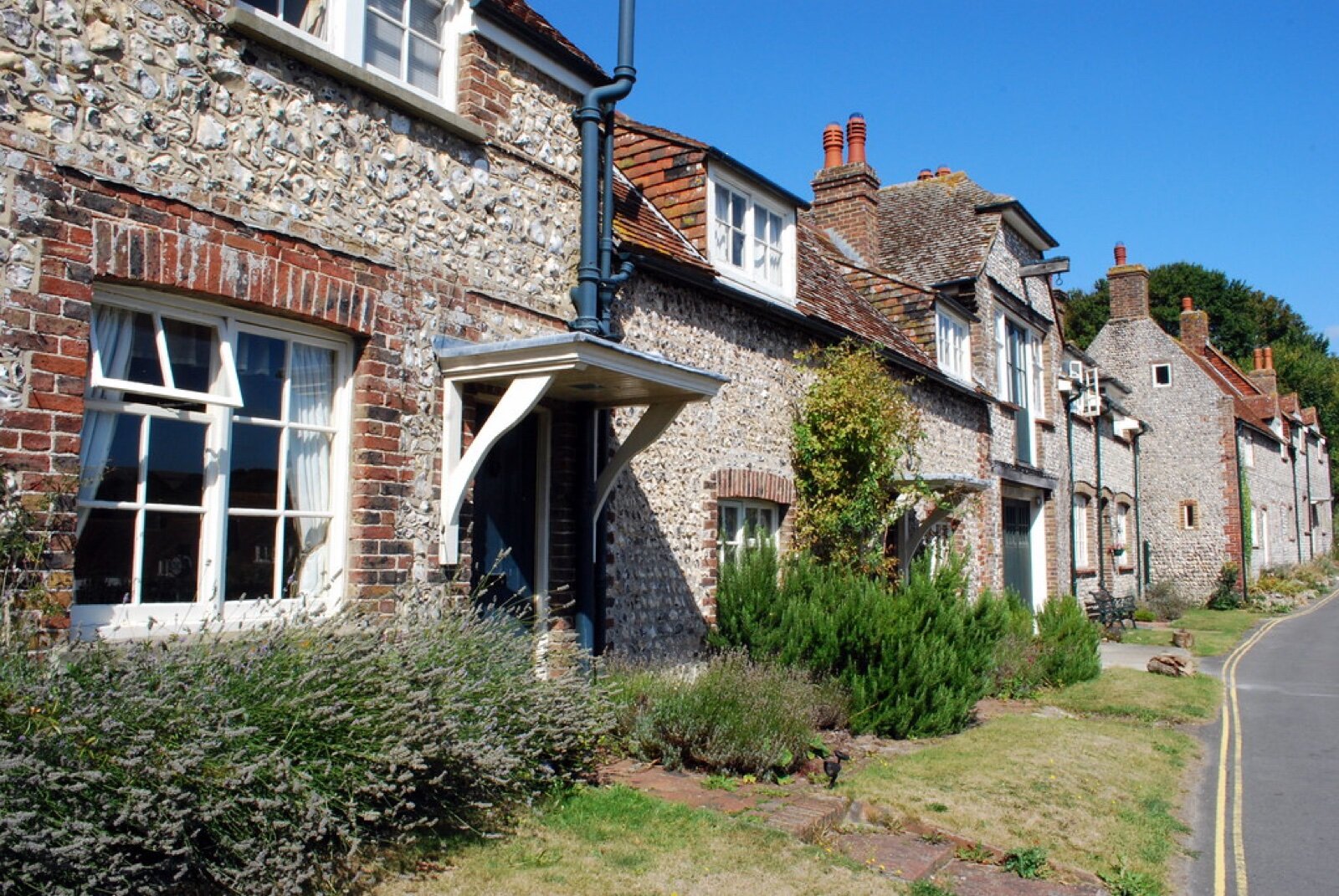
Sussex is four markets, not one
It helps to stop thinking of Sussex as a place and start thinking of it as four bands running roughly west to east.
- The commuter belt on the Brighton Main Line. Haywards Heath, Burgess Hill, Three Bridges, Horsham, Crawley. Fast trains, the highest prices in the county outside Brighton, and the best-supplied secondary schools.
- Brighton and Hove. A city market of its own, with city prices, a rental market squeezed by two universities, and a very short supply of family houses with parking.
- The West Sussex coast. Worthing, Littlehampton, Bognor, Chichester. Cheaper than the commuter belt, slower trains, and a much older age profile outside Worthing.
- The East Sussex coast and the High Weald. Eastbourne, Hastings, Bexhill, plus Lewes, Wealden and Rother behind them. The cheapest housing in the county, the longest journeys, and the largest gap between the pretty villages and the seaside towns.
What houses actually cost
These are Land Registry figures, not asking prices, for June 2026. Asking prices on the portals run higher, and the gap between the two is wider on the coast than in the commuter belt.
Two things stand out. First, only five Sussex districts sit above the England average of £293,262, and four of the thirteen are below £300,000. Second, the annual direction is not uniform: Crawley was up 4.5 per cent on the year and Arun up 3.1 per cent, while Worthing was down 5.1 per cent, Hastings down 4.6 per cent and Eastbourne down 3.7 per cent. If you are buying on the East Sussex coast, that is a negotiating position.
Budget for the move itself as well as the purchase. Our Sussex removal cost guide sets out what a typical local move runs to, and storage when moving house covers the chain-break case, which is common here because so many buyers are coming out of London flats.
The commute, honestly
The Brighton Main Line is the reason the commuter belt costs what it does. Fastest Brighton to London Victoria services take 52 minutes, most of them the semi-fast trains that stop only at Gatwick. London Bridge is nearer an hour. Stations further up the line are quicker still: Haywards Heath, Burgess Hill and Three Bridges all sit inside 50 minutes of central London, which is why a three bedroom house in Haywards Heath costs more than one in Eastbourne with a sea view.
Everything off that line is slower. Chichester to Victoria via the West Coastway is around an hour and a half. Hastings to Charing Cross is similar. Bognor, Littlehampton and Seaford all involve either a change or a stopping service. None of that is a reason not to move there, but it is a reason to do the journey in the rush hour before you commit, not on a Sunday.
Two practical points people miss. Gatwick is inside Sussex, at Crawley, which makes the Crawley and Horsham area unusually good for anyone who flies for work. And the Brighton Main Line is a two-track railway through the Balcombe tunnel section, so it has little resilience: when something goes wrong, it goes wrong for the whole county at once.
Which council will you be dealing with?
Right now, Sussex has three top-tier authorities. East Sussex County Council and West Sussex County Council each run schools, social care, roads and libraries for their areas, with eleven district and borough councils below them handling bins, planning and council tax collection. Brighton and Hove City Council does the lot for the city.
That was due to change. Both counties submitted proposals to replace the two-tier system with new unitary councils, and in East Sussex the favoured model was a single council for almost the whole county. In September 2026 the government withdrew several reorganisation decisions elsewhere in England and put the remaining ones, West Sussex included, into a rapid review. No new council exists yet, no date has been confirmed, and anything you read about a specific launch date should be treated as out of date until the review reports.
Separately, and confusingly, the Sussex and Brighton Combined County Authority was established on 26 March 2026, covering all three top-tier councils. It will get a directly elected mayor, and that election is scheduled for May 2028. It is a strategic body for transport, skills and housing strategy; it will not collect your bins.
Council tax
The county council takes the largest slice. For 2026/27 East Sussex County Council charges £1,960.29 at Band D, a rise of 4.99 per cent, made up of a 2.99 per cent general increase and a 2 per cent adult social care precept. West Sussex County Council's Band D share is £1,890.36. On top of that, the Sussex Police and Crime Commissioner adds £281.91 for a Band D home across the whole county, and then the fire authority and your district council add their own precepts.
In practice a total Band D bill in Sussex for 2026/27 lands somewhere between roughly £2,440 and £2,660 depending on the district, with Horsham at the lower end and the East Sussex coastal boroughs at the higher one. Check the exact figure for the specific address, not the town, because parish precepts vary within a district. Our page on council tax when moving house in Sussex covers the closing bill on the property you are leaving.
Schools and the admissions calendar
Admissions are run by the county council for the area you will be living in, so a family moving from Croydon to Haywards Heath applies to West Sussex, not to Croydon. Two dates matter in the normal round: 31 October for secondary transfer and 15 January for primary. Miss them and you go into the late round, which in an oversubscribed Sussex catchment usually means the school with spaces rather than the school you wanted.
If you are moving mid-year, you apply for an in-year place, and here the exchange date matters more than anything else. Most Sussex admissions teams will not accept a new address as evidence until you have a completion date or a signed tenancy, so a family moving in February should expect to be offered on the old address if they apply too early. Ask the council what proof of address it accepts before you apply, and get the timing of the application lined up with exchange and completion.
One change worth knowing about: Ofsted stopped giving schools a single overall grade in September 2024, so a school you last looked at years ago may have no headline word attached to it now. Read the inspection report itself rather than hunting for a one-word summary.
Where people usually land
| If you want | Look at | Average price, June 2026 |
|---|---|---|
| The fastest London commute | Mid Sussex (Haywards Heath, Burgess Hill) | £426,441 |
| City life and the sea | Brighton and Hove | £407,803 |
| Market town with countryside | Horsham, Lewes | £436,940 / £367,918 |
| Most house for the money | Hastings, Eastbourne, Bexhill (Rother) | £236,966 / £251,811 / £343,870 |
| Coast plus a reasonable train | Worthing | £296,227 |
| Airport and new-build supply | Crawley | £338,311 |
If you have narrowed it to a town, our local pages go deeper on the move itself: Brighton and Hove, Crawley, Worthing, Eastbourne, Hastings, Chichester and Mid Sussex.
Three things that catch newcomers out
- Flood and coastal erosion. Parts of Lewes, Uckfield, Shoreham and the Pevensey Levels have a real flood history, and stretches of the East Sussex coast are managed retreat rather than defended. Check the Environment Agency flood map for the exact address and ask the insurer for a quote before you exchange, not after.
- The South Downs National Park planning authority. A large slice of Sussex sits inside the national park, which is its own planning authority. Extensions, replacement windows on older houses and anything visible from the Downs are harder and slower than in the district beside it.
- Parking schemes. Brighton and Hove, Worthing, Lewes and parts of Chichester run controlled parking zones with permits capped per household. If you are moving a two-car family into a Victorian terrace, check the permit rules for that street before you commit.
Frequently Asked Questions
Where is the cheapest place to live in Sussex?
On Land Registry averages for June 2026, Hastings at £236,966 and Eastbourne at £251,811 are the two cheapest districts in Sussex, and both are below the England average of £293,262. Worthing at £296,227 is the cheapest of the coastal towns with a fast London train.
How long does it take to commute from Sussex to London?
The fastest Brighton to London Victoria services take 52 minutes. Haywards Heath, Burgess Hill and Three Bridges are all closer, roughly 40 to 50 minutes into London Bridge or Victoria. Chichester, Hastings and Bognor are the slow end, around an hour and a half each way.
Is Sussex one county?
Not administratively. Sussex is three top-tier councils: East Sussex County Council, West Sussex County Council and Brighton and Hove City Council, with eleven district and borough councils underneath the two county councils. That is due to change, but no new unitary council exists yet.
How much is council tax in Sussex?
The county share is the biggest part. East Sussex County Council charges £1,960.29 at Band D for 2026/27, up 4.99 per cent. The Sussex Police and Crime Commissioner adds £281.91, the fire authority and your district council add the rest, so a typical total Band D bill lands between roughly £2,440 and £2,660 depending on the district.
When do I apply for a school place if I move to Sussex?
If you are moving during the school year you apply for an in-year place directly through the relevant county council or Brighton and Hove. For the normal admissions round the national deadlines are 31 October for secondary and 15 January for primary. Apply through the council for the area you will live in, not the one you are leaving.
Is Sussex getting a mayor?
Yes. The Sussex and Brighton Combined County Authority was established on 26 March 2026, covering East Sussex, West Sussex and Brighton and Hove. The first election for its mayor is scheduled for May 2028.
Sources
- HM Land Registry: UK House Price Index, average price and annual change by local authority, June 2026 data
- East Sussex County Council: what your council tax pays for 2026 to 2027, for the £1,960.29 Band D charge and the 4.99 per cent rise
- MHCLG: local government reorganisation programme review and decisions withdrawal, September 2026, for the pause and the West Sussex review
More from Move Sussex: what removals cost in Sussex, how the conveyancing process works and decluttering before you move.
Checked on 13 September 2026. House price data is HM Land Registry UK HPI for June 2026 and is revised monthly. Council tax figures are 2026/27. Reorganisation of Sussex councils was under government review at the time of writing.