Home › Moving to Chichester
Moving to Chichester: Areas, Schools, Trains and House Prices
Moving to Chichester gets you a small cathedral city with a Roman street plan, Georgian streets, a nationally known theatre, Chichester Harbour to the south-west and the South Downs to the north. It costs more than most of the Sussex coast: the average home in Chichester district sold for £432,078 in July 2026, according to HM Land Registry, against £380,878 for the South East as a whole. The fastest trains reach London in 1 hour 35 minutes, but the typical journey is nearer 1 hour 50. This page covers the areas, the schools, the commute and what each type of home costs.
Average price, Chichester district: £432,078 in July 2026, down 1.4% on a year earlier (HM Land Registry UK House Price Index).
South East average: £380,878 in the same month, so Chichester district sits about 13% higher.
Train to London: 1 hour 35 minutes on the fastest services, about 1 hour 49 minutes on average, around 73 trains a day on Southern (Trainline route data).
Council: Chichester District Council for planning, bins and parking; West Sussex County Council for schools and roads.
Chichester house prices by property type
The Land Registry index covers the whole of Chichester district, which is much bigger than the city: it takes in Selsey, the Witterings and the harbour villages to the south, and Midhurst and Petworth up in the South Downs. Prices in the city itself and the harbour villages tend to sit above the district average; Selsey and parts of the east of the district sit below it.
| Property type | Average price, July 2026 | Change on a year |
|---|---|---|
| Detached | £686,523 | -1.4% |
| Semi-detached | £426,369 | -0.2% |
| Terraced | £345,877 | -0.7% |
| Flat or maisonette | £217,163 | -4.1% |
| First-time buyer average | £338,948 | -1.2% |
| All property types | £432,078 | -1.4% |
Source: HM Land Registry UK House Price Index, Chichester.
Prices have eased this year. The average was £437,152 in May 2026 and £432,369 in June before settling at £432,078 in July. Flats have fallen furthest, by 4.1% over the year, while semis have barely moved. The district has far more detached houses than Worthing or Brighton, which is what lifts the overall average: a detached home averages nearly £690,000. For comparison, the Worthing average in the same month was £297,200; our guide to moving to Worthing covers the cheaper option along the coast.
The areas: where to look
The city centre
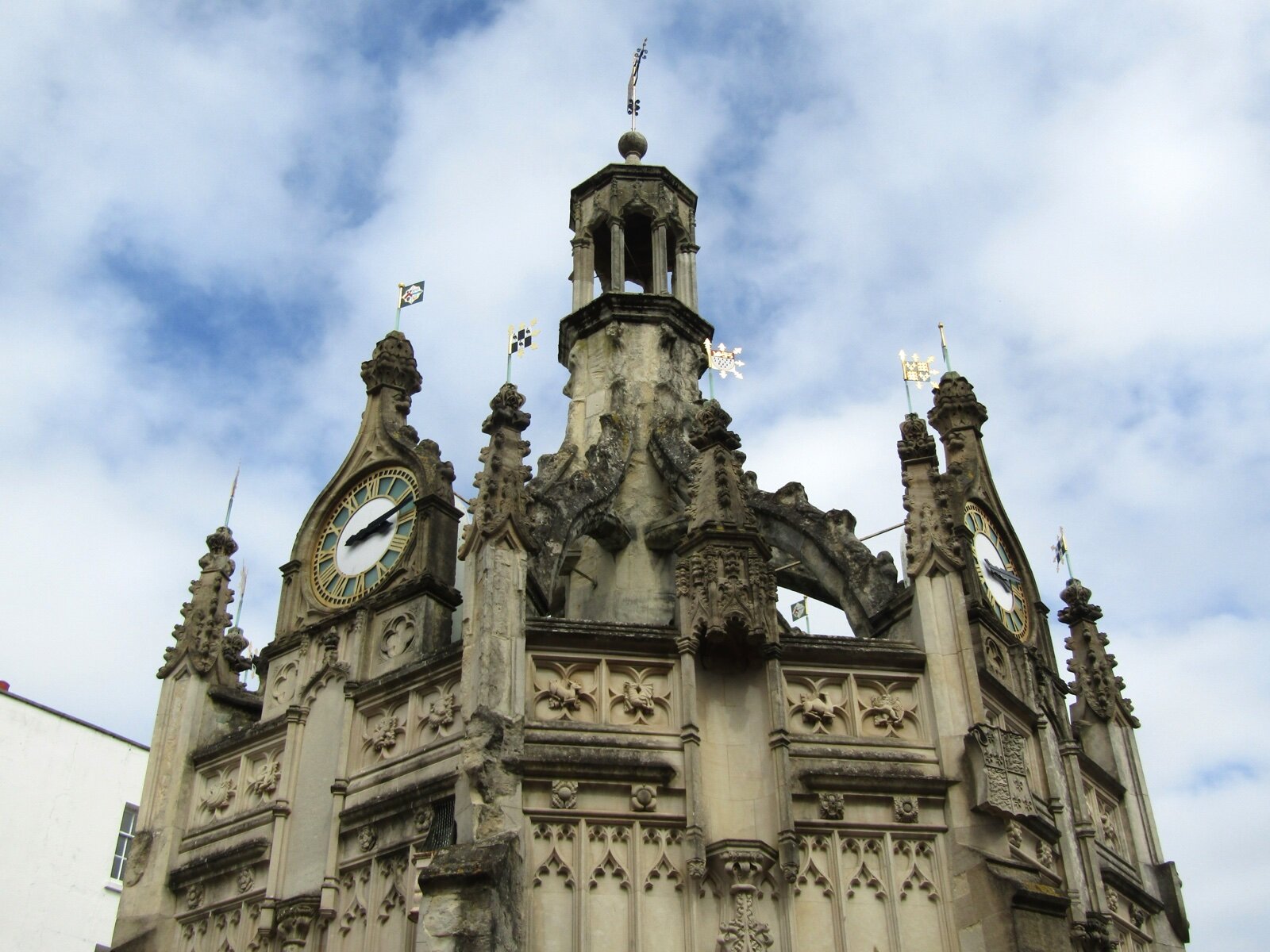
Inside the old walls, North, South, East and West Street meet at the early 16th-century Market Cross, with the cathedral just off West Street. The quieter streets around the Pallants, Little London and St Martin's hold Georgian townhouses, period cottages and flats in converted buildings. It is the most walkable place to live, a few minutes from the station, but parking is permit-controlled and tight, and prices for a period house are well above the district average.
Summersdale and Graylingwell
North of the centre, on the road up towards Goodwood and the Downs, Summersdale is a settled area of Edwardian and interwar houses with generous gardens, popular with families. Next to it, Graylingwell Park is a large redevelopment of the former Graylingwell Hospital site, with converted Victorian buildings and new homes around them.
Whyke and the south-east
South-east of the centre, Whyke and the streets around Kingsham are mostly terraces, semis and post-war houses, with easy walking to the station and the Chichester Gate leisure area. Prices here are usually below the north side of the city, which makes it a common first step up from a flat.
Parklands and Fishbourne
To the west, Parklands is mainly post-war family housing, and the village of Fishbourne, home to Fishbourne Roman Palace, sits beyond it at the top of the harbour, with its own station on the coast line.
Bosham and the harbour villages
Bosham, Chidham, Itchenor and the villages around Chichester Harbour, a protected National Landscape, are among the most sought-after addresses in West Sussex. Expect to pay well over the district average, and check tide-related flood risk on low-lying waterside plots before you buy.
The Witterings and Selsey
South of the city on the Manhood Peninsula, East and West Wittering have the sandy beach at West Wittering, and Selsey sits at the tip of the peninsula. Homes are mostly bungalows and family houses, with a large holiday and second-home market. Roads into Chichester, especially the A286 and B2145, are slow on summer weekends, and there is no railway.
Chichester schools
West Sussex County Council runs admissions for state schools. The council's 2026 secondary transfer booklet lists three secondary schools in the city:
- Bishop Luffa CE School, a Church of England school with a sixth form. For September 2025 it gave 157 places to children who regularly attend a Church of England church, 43 to regular attenders at other Christian churches, and 26 community places to children living within three kilometres of the school, so living nearby is not enough on its own.
- Chichester High School, a mixed academy for ages 11 to 18.
- Chichester Free School, an all-through school taking children from 4 to 19.
Around the district, The Academy Selsey, Bourne Community College in Southbourne, Ormiston Six Villages Academy in Westergate, Midhurst Rother College and St Philip Howard Catholic School in Barnham also take Chichester-area pupils. After 16, many students go to Chichester College, part of the Chichester College Group, and the University of Chichester has its main campus in the city.
Check the latest Ofsted report and each school's admissions policy before you buy, and read the oversubscription criteria carefully: faith and distance rules differ from school to school. Our sister site Schools Insight explains how catchment areas work and the application deadlines to put in the diary.
Chichester to London commute
Chichester station is on the West Coastway line, run by Southern, south of the city centre. Trainline's route data gives the fastest journey to London at 1 hour 35 minutes, an average of about 1 hour 49 minutes and around 73 trains a day. That is a longer commute than from Worthing or Horsham, so most people who move here commute two or three days a week rather than five. Pick your regular train carefully: the gap between the fastest and the average service is about a quarter of an hour each way.
Trains also run along the coast to Worthing and Brighton to the east and Portsmouth and Southampton to the west, and Fishbourne, Bosham and Southbourne have their own stations. By road, the A27 runs east towards Worthing and Brighton and west towards Portsmouth and the M27, and the A286 heads north over the Downs to Midhurst. The A27 bypass round the south of the city is notoriously slow at peak times.
Season ticket prices change every March, so check the current fare before you budget.
Living in Chichester day to day
- Culture: Chichester Festival Theatre, Pallant House Gallery and The Novium Museum, all in or near the centre.
- History: Chichester Cathedral, the city walls and Fishbourne Roman Palace.
- Outdoors: Chichester Harbour for sailing and walking, the beach at West Wittering, and the South Downs National Park a few miles to the north.
- Events: the Goodwood estate north of the city hosts the Festival of Speed, the Revival and horse racing, which bring heavy traffic on event days.
- Healthcare: St Richard's Hospital, run by University Hospitals Sussex, has an emergency department in the city.
Planning the move itself
Outside the centre, most Chichester moves need nothing special on the day. Inside the walls, parking is the issue: the residential streets are narrow and permit-controlled, and Chichester District Council needs six days' notice to suspend a parking bay for a removal van. Our removals in Chichester page covers the suspension rules and what a local move costs, and the Sussex removal costs page breaks prices down by home size. If you are weighing Chichester against an inland town, compare our guide to moving to Horsham, or see more at the Move Sussex homepage.
Frequently Asked Questions
What is the average house price in Chichester?
The average home in Chichester district sold for £432,078 in July 2026, according to the HM Land Registry House Price Index, down 1.4% on a year earlier. Flats averaged £217,163, terraced homes £345,877, semis £426,369 and detached homes £686,523.
How long is the train from Chichester to London?
The fastest trains take 1 hour 35 minutes, but the average is about 1 hour 49 minutes, according to Trainline's route data, with around 73 trains a day run by Southern.
Is Chichester more expensive than the rest of Sussex?
Yes. Its July 2026 average of £432,078 was about 13% above the South East average of £380,878, and well above Worthing's £297,200. The district has a high share of detached homes, which lifts the average.
How do you get into Bishop Luffa School?
Most places go on church attendance. For September 2025, 157 places went to regular Church of England attenders, 43 to regular attenders at other Christian churches and 26 to community applicants living within three kilometres. Read the school's current admissions policy, which changed for 2026/27.
Which are the best areas of Chichester to live in?
It depends on budget. The city centre suits people who want to walk everywhere, Summersdale is popular with families, Whyke and Parklands are better value, Bosham and the harbour villages are the premium choice, and the Witterings and Selsey suit buyers who want the beach.