Home › Business moves › Machine moving
Machine Moving in Sussex: Who Does It, What Drives the Cost, and the Questions to Ask Before a Lift
Machine moving in Sussex is a different trade from house or office removals, and anyone pricing machine moving Sussex-wide soon finds the specialists are a separate market. Shifting a CNC lathe from a unit in Shoreham to a new site at Manor Royal in Crawley, or a print press out of a basement in Brighton, means lifting and travelling a heavy, top-heavy load that cannot be dismantled, through doors and over floors that may not take the weight. The law treats it as a lifting operation, which has to be planned by a competent person and carried out with examined equipment. This page explains who does the work, what drives the price, and the questions that sort the specialists from the man-with-a-forklift.
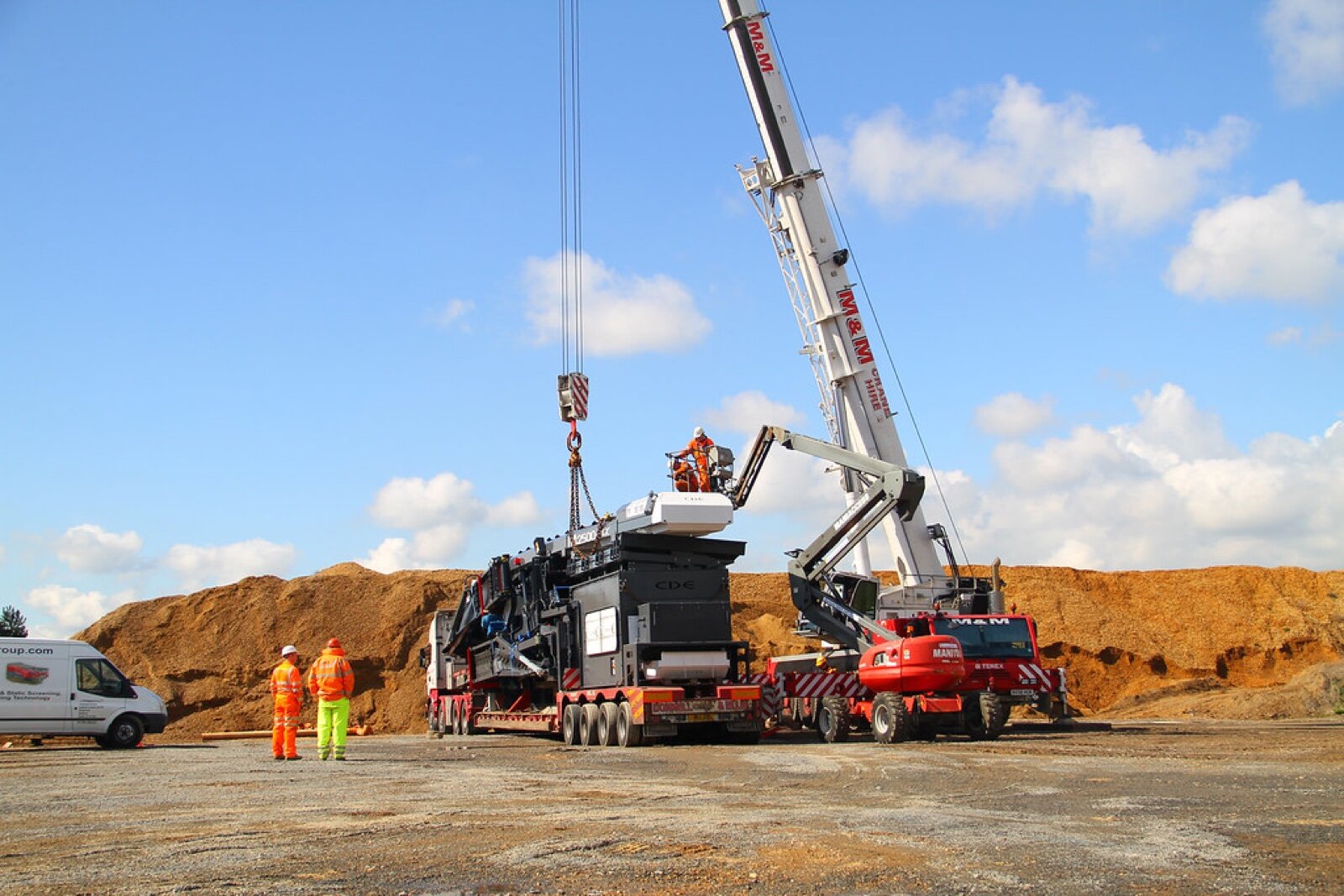
Who moves machinery
Most machine moves are done by specialist machinery movers and heavy haulage firms. They carry kit a removal firm does not: hydraulic jacks and toe jacks, load skates, gantry systems, counterbalance forklifts rated for heavy loads, lorry-mounted cranes, and access to mobile cranes. Some general removers in Sussex will move light equipment, such as a small workshop pillar drill or a commercial coffee machine, and that can be sensible for loads a two-person crew and a tail-lift can handle. Anything heavy, tall or high-value belongs with a specialist. If you are moving a whole business, our page on office and business removals in Sussex covers the furniture, IT and filing side; machine moving usually runs alongside it as a separate contract.
The law that shapes every machine move
Two sets of regulations apply. The Lifting Operations and Lifting Equipment Regulations 1998 (LOLER) cover the lift itself and the gear used for it. The Provision and Use of Work Equipment Regulations 1998 (PUWER) cover the machine once it is reinstated and back in use.
Under LOLER, every lifting operation must be properly planned by a competent person, appropriately supervised and carried out safely. HSE's guidance says routine lifts can be covered by a single generic plan, for example forklifts in a factory, but more complex operations need a written plan drawn up by someone with specific competence, setting out each step and who is responsible for it. A machine coming out of a building, onto a lorry and into another building is rarely routine.
The lifting gear must also be in date. HSE says that, unless a written examination scheme sets other intervals, thorough examinations are due:
- every 6 months for lifting accessories, such as slings, shackles and chains;
- every 6 months for equipment used to lift people;
- every 12 months for all other lifting equipment, such as cranes, jacks and forklifts.
Each examination produces a written report. Asking to see the current reports for the gear coming to your site is a fair and quick test of a contractor.
Crane hire or contract lift?
If the job needs a mobile crane, you will be offered one of two arrangements, usually under the Construction Plant-hire Association's model conditions:
| Crane hire | Contract lift | |
|---|---|---|
| Who plans the lift | You, the hirer | The crane company |
| Who supervises on the day | You provide the appointed person and slinger | The crane company |
| Insurance for the load and liabilities | Largely yours | Largely the contractor's, check the limits |
| Usual cost | Lower | Higher, because more risk sits with the contractor |
| Best for | Firms with their own lifting competence | Most businesses moving machines occasionally |
A business that moves machinery once a decade rarely has a qualified appointed person on staff, so a contract lift, or a machinery mover who arranges the crane under its own plan, is usually the safer choice.
What drives the cost
Machine moves are priced job by job after a survey, so treat any price given over the phone without a visit as a guess. The quote is built from:
- Weight, size and centre of gravity. Tall machines with a high centre of gravity need more care and often more equipment.
- Access at both ends. Door widths, steps, ramps, floor loading, ceiling height and whether a crane can get close. A basement or a first-floor workshop changes everything.
- Method and kit. Skates and jacks are cheaper than a gantry; a lorry-mounted crane is cheaper than a mobile crane; a mobile crane needs ground conditions and space for outriggers.
- Crew and vehicle days. Disconnection, rigging out, transport, rigging in and positioning can run across several days for a production line.
- Out-of-hours work. Many Sussex industrial estates and town-centre sites need weekend or evening slots to keep roads and loading bays clear, at a higher rate.
- Disconnection and reconnection. Electrics, compressed air, coolant and extraction usually need your own engineers or the machine maker; check whether the mover includes them.
- Insurance. Goods in transit and contract works cover sized to the machine's value.
For comparison with ordinary moves, see our Sussex removal costs page; machine moving sits well above it because of the equipment and planning involved.
Abnormal loads and the road
Most machines travel on a standard low-loader within normal limits. If the loaded vehicle goes over the standard limits, for example more than 44 tonnes or wider than 2.9 metres, the haulier must give advance notice to the police and highway authorities, which is done through the ESDAL system. A good mover will tell you at the survey if your machine is anywhere near those thresholds and build the notice period into the timetable.
Eight questions to ask before you accept a quote
- Will you survey both sites before pricing, and will the person who surveys plan the lift?
- Who writes the lift plan and the method statement, and can I see them before the day?
- Can you show current LOLER thorough examination reports for the lifting gear you will bring?
- Is this a contract lift or crane hire, and who is the appointed person?
- What insurance do you carry for goods in transit and contract works, and up to what value per item?
- Who disconnects and reconnects services, and is that in the price?
- How will you protect floors, doorways and the finished surfaces at the new site?
- What happens to the price and the date if the weather stops a crane lift?
Before the survey: find the machine's manual and nameplate. The maker's weight, lifting points and transport instructions are the starting point for any competent lift plan, and having them ready saves time and money.
Planning a machine move around a business relocation
Book the machine mover early, because survey, planning and any crane booking all take time, and coordinate dates with your landlord, the new site and your electrician. Ask the new building's landlord for floor loading figures before you sign a lease if you run heavy plant, and check that the delivery route has the turning space a low-loader needs. Allow a day of slack between the move and the date production must restart, so a weather delay or a reconnection problem does not cost you orders. For the wider timetable of a business move, see our business removals guide, or go back to the Move Sussex homepage for everything else about moving in the county.
Sources: HSE, Lifting Operations and Lifting Equipment Regulations 1998 (LOLER); HSE, Planning and organising lifting operations; HSE, Thorough examination of lifting equipment. Checked 23 October 2026.
Frequently Asked Questions
Who moves machinery in Sussex?
Specialist machinery movers and heavy haulage firms, rather than ordinary house removers. Some general removal companies offer light machine moves, but heavy CNC machines, presses and plant need a firm with skates, jacks, gantries or cranes and staff trained to use them.
Do I need a lift plan to move a machine?
Yes, every lifting operation under LOLER must be properly planned by a competent person. A routine forklift move can be covered by a generic plan; a crane lift or anything complex should have a written, job-specific plan.
What is the difference between a contract lift and crane hire?
Under crane hire, you hire a crane and operator but you plan and manage the lift. Under a contract lift, the crane firm plans, supervises and carries out the lift for you, taking on more of the responsibility.
How often must lifting equipment be examined?
HSE says every 6 months for lifting accessories such as slings and shackles, and every 12 months for other lifting equipment, unless a written examination scheme sets different intervals.
How much does machine moving cost?
It is quoted per job. The main drivers are the weight and size of the machine, access at both ends, the lifting equipment needed, the crew and vehicle days, out-of-hours working and insurance. Get a site survey before you accept a price.
Does my machine need an abnormal load notice?
Only if the loaded vehicle exceeds the standard limits, such as more than 44 tonnes or wider than 2.9 metres. The haulier handles notification to police and highway authorities through the ESDAL system.